Choosing the right PVC ball valve involves more than just looking at the price. Here are key factors to keep in mind:
-
Size & Pipe Compatibility
Make sure the valve size aligns with your pipeline. A 1-inch ball valve is perfect for standard home installations, while larger options like the 3-inch ball valve cater to high-flow systems.
-
Pressure Rating
Pick a valve that can withstand the pressure specific to your setup. For residential applications, valves rated between 150–200 PSI should be sufficient, but industrial applications might require valves with even higher ratings.
-
Connection Type
PVC ball valves come in three primary connection styles:
– Threaded: These screw into place and can be reused.
– Solvent-weld: These create a permanent, leak-proof connection.
– Union: These allow for easy disassembly and maintenance.
Other PVC Fittings to Consider
When working with PVC pipes, it’s good to know about other fittings that can help improve your system’s efficiency:
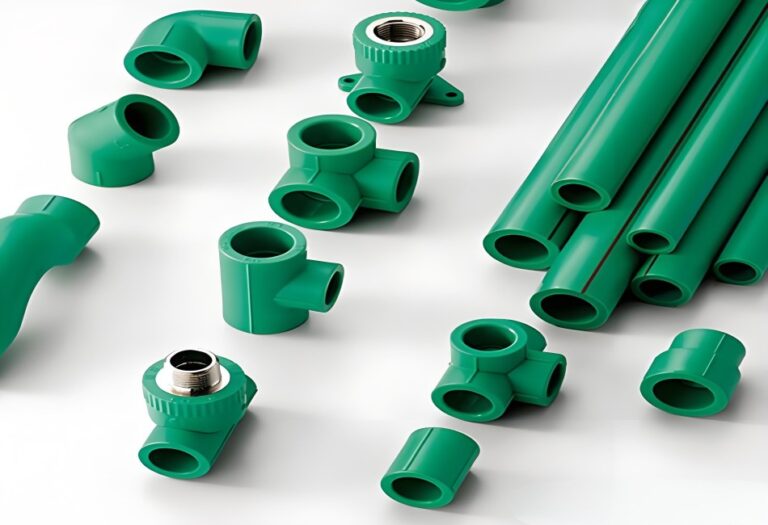
– PVC Tee: Connects three pipes at right angles for branching purposes.
– PVC Coupler: Joins two pipes in a straight line, ensuring a smooth flow of materials.
Maintenance Tips for PVC Ball Valves
To keep your PVC ball valves in top shape:
– Avoid over-tightening the handle.
– If your valve is under high friction or used frequently, consider applying lubricant to the seals.
– Store extra valves in a cool, dry environment.
– Clean only with water and steer clear of harsh solvents on plastic.
By considering these factors and tips, you can ensure you’ve chosen the best PVC ball valve for your needs.