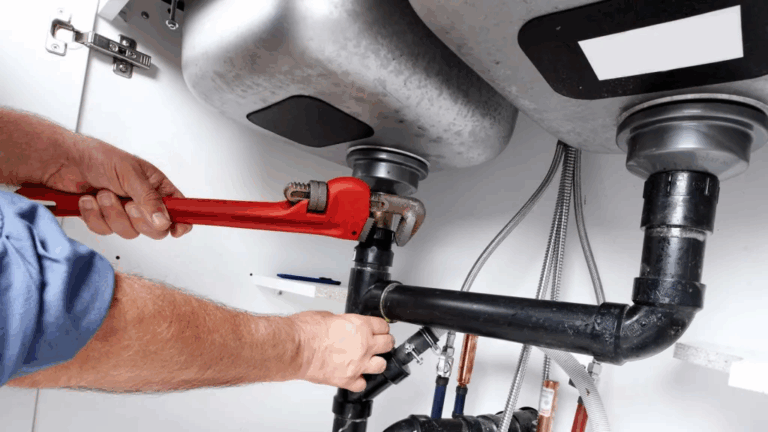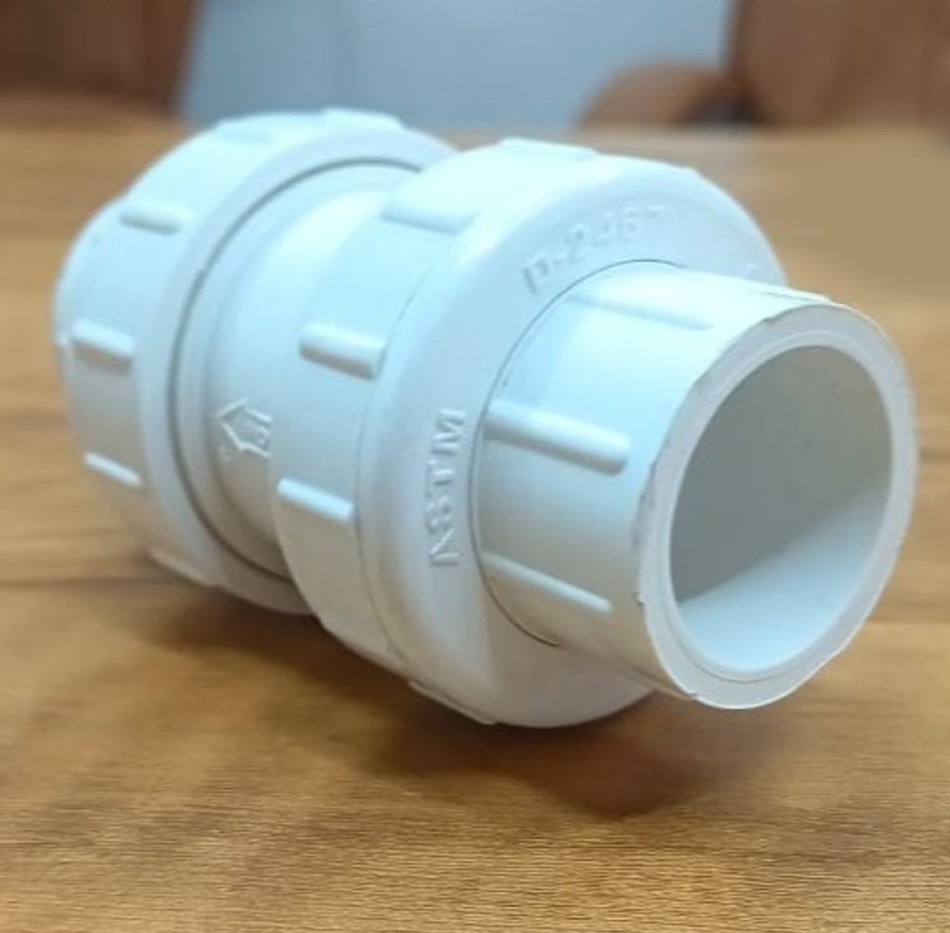
To create a robust plumbing system, CPVC Non-Return Valves (NRVs) function effectively alongside various other fittings:
-
CPVC Tap
– Commonly found in utility areas, kitchens, and bathrooms, these taps connect directly to the pipeline, ensuring water control where it’s needed.
-
CPVC Brass Tee
– This three-way fitting comes with brass threads that provide secure jointing. It’s perfect for dividing flow in two directions and is utilized to branch pipelines both before and after a CPVC NRV.
-
Brass Elbow CPVC
– This fitting allows for a 90° change in pipeline direction. The brass insert enhances grip and durability, especially where metal pipe ends are concerned.
Advantages of Using CPVC NRVs in Plumbing Systems
– Plumbers working on residential and commercial water systems can benefit greatly.
– Homeowners looking to upgrade or replace old valves find these NRVs essential.
– Contractors engaged in large-scale building projects will find them useful.
– Industrial installations that require backflow protection in water or chemical lines also rely on these.
Who Should Consider Using CPVC NRVs?
– Plumbers setting up both residential and commercial water systems
– Homeowners who are upgrading or replacing old valves
– Contractors involved in extensive building projects
– Industrial setups needing backflow protection for water or chemical lines
Buying Guide: Key Considerations When Choosing a CPVC NRV
– Size Compatibility: Ensure it matches the existing pipe sizes (e.g., ½ inch, ¾ inch, 1 inch).
– Flow Direction Marking: Look for the arrow to confirm correct installation.
– Brand & Material Quality: Choose a trusted brands like Pipes for assured durability.
– Temperature and Pressure Ratings: Verify that these ratings align with your system’s requirements, particularly crucial for hot water systems.