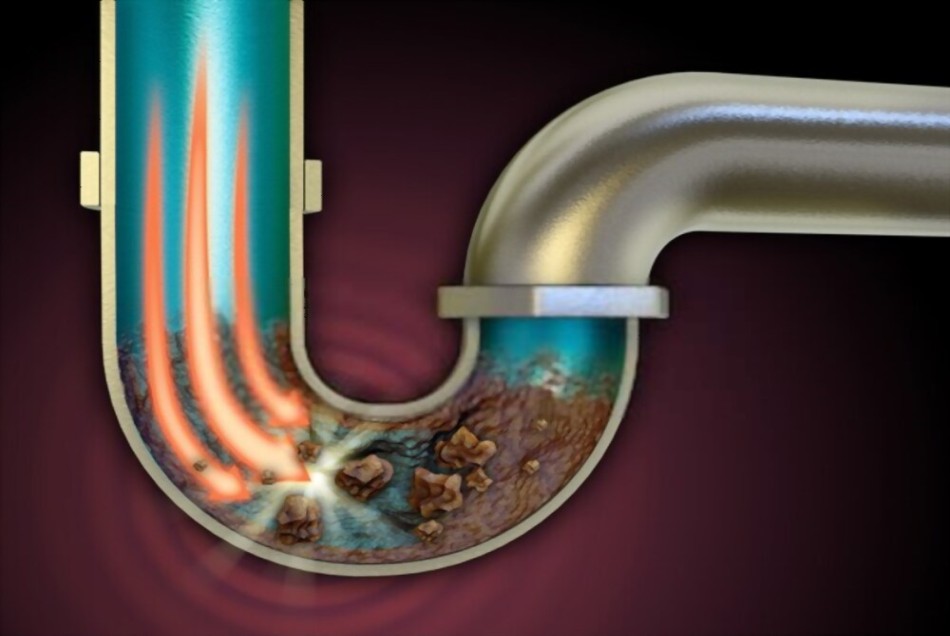
Clogged drains are a common household annoyance. How you address these issues can determine whether your plumbing stays clear or if you face a major sewer line blockage. Typically, a single slow drain is due to hair and soap scum buildup in bathroom sinks and tubs. Kitchen sinks, on the other hand, often clog from items that should not be put down the disposal, such as cooking grease, pasta, and stringy vegetables.
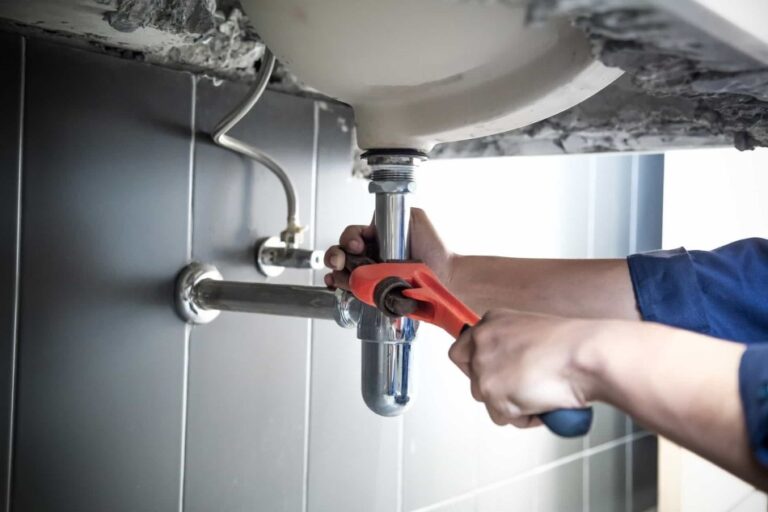
For those who like to tackle repairs themselves, most individual clogs can be fixed by removing the P-trap from the sink’s drain pipe. Check for debris there, and don’t overlook the pipe connecting the sink drain to the P-trap—there’s usually buildup there too. If your sink has a drain stopper, taking it out for a good cleaning can also help.
However, if you notice that multiple sinks or tubs are draining slowly and toilets are struggling to flush, it could indicate a problem with your main sewer line. If that’s the case, don’t hesitate to reach out to . We’re here to provide fast and dependable assistance with clogged drains, sewer line issues, or any plumbing concerns you might have.
Common Causes of Sewer Line Blockages
Sewer line blockages often build up over time, eventually obstructing wastewater flow to the city sewer system or septic tank. As previously mentioned, the most common culprits include grease, soap scum, hair, and food waste that make their way into the drainpipes.
Tree root infiltration is another major issue affecting sewer lines across Houston. Roots are naturally attracted to moisture, and the dampness outside the pipe makes it an inviting target for them. Once they reach the pipe, they can grow around it, creating small cracks due to the pressure they exert. When these cracks occur, roots can begin to invade the pipe, leading to a situation where it becomes completely blocked.
Additionally, flushing items often labeled as “un-flushables,” like baby wipes, paper towels, and certain hygiene products, can also contribute to clogs.
In older homes or those built in shifting soil conditions, sewer lines can develop what is known as a “belly.” This U-shaped bend in the main sewer line can trap wastewater, causing further complications down the line.
What Are the Warning Signs of a Main Sewer Line Clog?
Main sewer line clogs don’t just appear out of nowhere. Often, they develop over months or even years, making it easy to overlook early warning signs. While your plumbing system—including faucets and drains—may seem to be working fine at first, you might start noticing some subtle changes.
At first, your drains may begin to slow down, and you might find yourself needing to flush the toilet twice to get it to empty fully. You may also catch an unpleasant “rotten egg” smell lingering in your kitchen or bathroom.
Recognizing the signs of a sewer pipe blockage early can save you from larger issues down the line.
Here are some symptoms that homeowners should keep an eye out for:
– Gurgling Drains and Toilets: If you hear gurgling sounds, it often indicates trapped air in your sewer or drain line. This condition usually arises as debris accumulates in the main sewer line or through cracks and broken fittings caused by age or root intrusion.
– Multiple Drains Slowing or Clogging: One clogged drain might not be a cause for concern, but if several drains in different parts of your home start to slow down or clog, it’s highly likely that there’s a more serious sewer line problem at hand.
– Sewage Backing Up Into Your Home: If raw sewage or wastewater begins to back up into sinks, tubs, showers, or toilets, you definitely have a sewer line issue. This is the time to contact a plumbing professional without delay.
-Unpleasant Odors: Sewage smells are unmistakable, and you definitely shouldn’t be smelling them inside your home. These odors usually indicate a buildup of waste and debris that is obstructing proper drainage and ventilation in the sewer line.
– Water Backing Up In Unexpected Places: If you notice water rising in your tub or shower drain when flushing the toilet, it’s a clear sign that you should seek professional drain cleaning services.
When Should You Call a Plumber for Professional Sewer Line Cleaning?
If basic methods like plunging or snaking aren’t fixing the problem, it’s time to reach out to a plumbing expert who can address the real issue in your sewer line.
When multiple drains clog at the same time, it’s a strong indicator of a sewer line blockage rather than just a minor problem with a kitchen P-trap. If you also smell sewage near your kitchen or bathroom sinks or tubs, it suggests that wastewater isn’t draining properly into the city sewer or septic system.
For homeowners, especially those with older properties and large trees nearby, scheduling an annual sewer line inspection is a wise investment to detect cracks or potential root infiltration before they turn into a bigger problem.