A little prevention can go a long way, especially when it comes to your plumbing. Taking proactive steps to maintain your home’s plumbing system can help you avoid costly repairs and lower utility bills. Here are seven straightforward actions you can take to ensure your plumbing is in top shape:
-
Toilet Tank Check
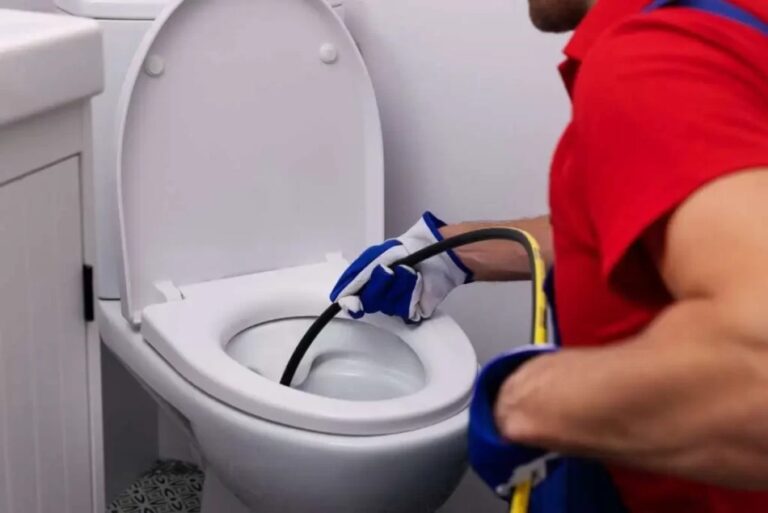
Your toilet gets daily use, but how often do you lift the tank cover for an inspection? It’s wise to examine the fill, supply, and flush valves, as well as the supply line, for signs of corrosion or malfunction. Keep an eye out for subtle leaks, which can result in wasted water and inflated bills.
-
Water Heater Upkeep
If your water suddenly lacks warmth, sediment buildup in your heater might be the culprit. Flushing and draining the water heater annually helps eliminate sediment, improving efficiency and prolonging its lifespan. Don’t forget to inspect the shut-off valve and piping to catch potential issues early.
-
Address Slow Drains
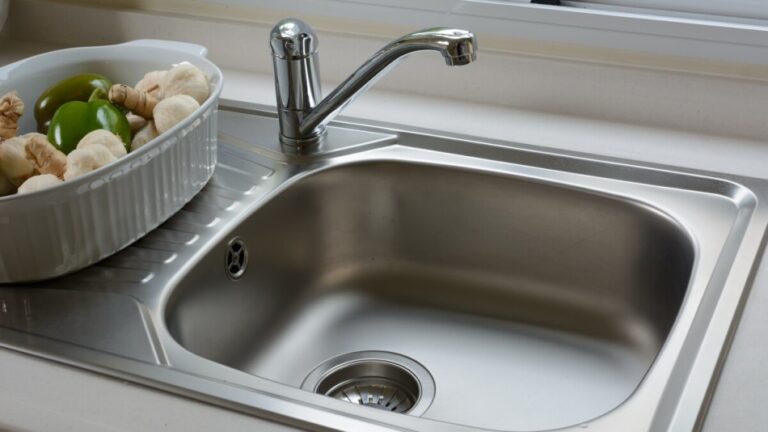
Slow drains often hint at bigger problems. Assess how quickly water flows in your sinks, tubs, or showers. If sluggish, first try a vinegar and hot water mix to flush them. Persistent issues may indicate blockages that require professional attention. Avoid using harsh chemicals or excessive force, as this could damage pipes. Regularly clear P-traps beneath sinks and use drain screens to prevent debris from leading to clogs in showers and tubs.
-
Repair Leaky Faucets & Showerheads
Leaky faucets and showerheads not only drive up water bills but also waste resources. The average household loses around 180 gallons of water weekly due to leaks, according to the EPA. Check faucet handles, pipes under sinks, and showerheads for drips that might signal worn washers, corroded valves, or deteriorating O-rings. Prompt fixes can save both money and water.
-
Seasonal Prep for Outdoor Fixtures
Warm months are prime time for outdoor spigots, pool lines, and sprinkler systems, but cooler seasons demand preparation to prevent freezing and damage. Before temperatures fall, turn off outdoor water supplies and insulate fixtures. Sprinkler systems may need a complete winterization once your landscaping becomes dormant.
-
Monitor Water Pressure
Excessively high water pressure can strain your plumbing system unnecessarily. Use a gauge to check the pressure level in your home, ensuring it stays within a safe range. Confirm that your regulator is working properly to maintain consistent and manageable pressure throughout your pipes.
-
Replace Missing Caulk
Caulking plays a vital role in bathrooms by creating a barrier against water damage. Missing or degraded caulk around sinks, showers, and tubs can lead to moisture seeping into floors or walls, fostering mold and mildew growth. Inspect these areas regularly and reapply caulk where needed using simple DIY tools like caulking tubes and guns.
Taking the time for these preventative measures will keep your plumbing system running smoothly and reduce the risk of expensive plumbing emergencies in the future.