Having sufficient water pressure in your garden hose is crucial for effective watering, cleaning, and other outdoor activities. However, low water pressure can be both annoying and inefficient. Fortunately, many factors that reduce water pressure can be easily addressed. Below are some common causes of low garden hose water pressure and practical solutions to help you improve it.
Water Demand in the Home
A common reason for low water pressure is high water usage elsewhere in your household. If appliances, faucets, or showers are consuming significant amounts of water while you use your garden hose, the pressure might drop. To combat this, schedule your watering during periods of low water demand, such as early morning or late evening.
Faulty Garden Tap
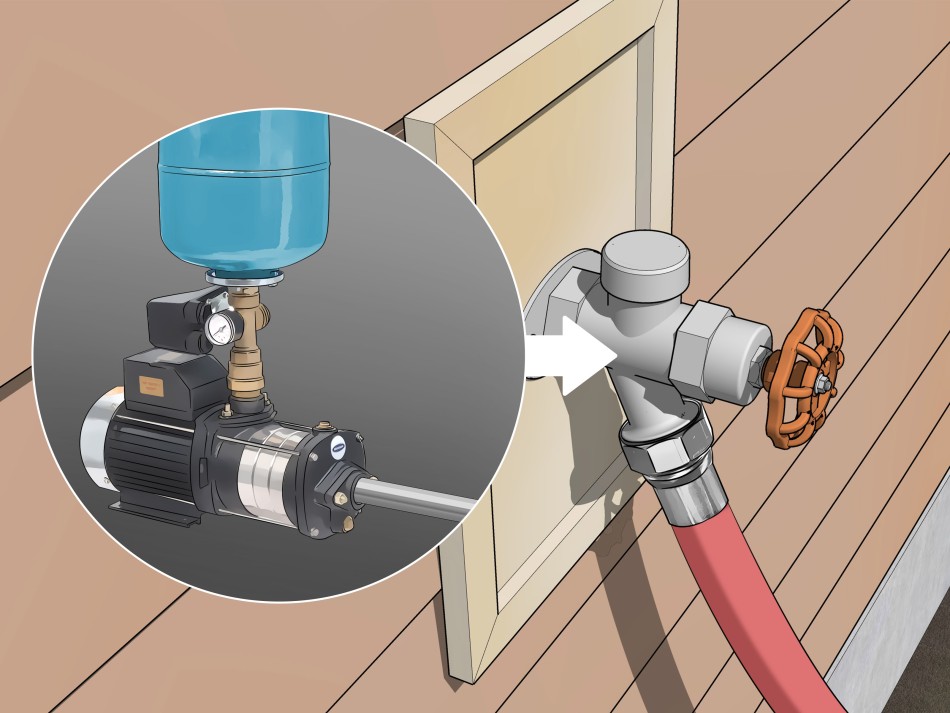
An old or damaged garden tap can restrict the flow of water to your hose. Examine the tap for signs of leaks or wear. If issues are found, consider repairing or replacing it. A fully functioning and up-to-date garden tap can significantly enhance water pressure.
Hose Leaks or Obstructions
Leaks, kinks, or blockages in the hose are another common culprit. Inspect your hose thoroughly for damage. Even minor leaks can impact water flow. Repair any damaged sections or replace the hose if needed. Also, ensure the hose is straightened out during use to avoid impeding the flow.
Main Water Valve Issues
The main water valve supplying your home can directly affect how much pressure reaches your garden hose. Ensure that this valve is fully open and free from blockages like mineral buildup or dirt. Turning it off and on again may help clear any obstructions that have built up over time.
Water Pressure Regulator Settings
If your home features a water pressure regulator, it might be set too low to maintain adequate flow for your garden hose. While regulators are designed to protect plumbing by limiting excessive pressure, they can sometimes restrict water flow unnecessarily. To resolve this, consult a professional plumber who can adjust the regulator to an optimal level that balances safety and functionality.