Plumbing blockages are one of the most common household issues that can quickly escalate from a minor inconvenience to a costly repair. Whether it’s a slow-draining sink, gurgling toilet, or mysterious foul smell, identifying the exact location of a blockage is crucial before you can fix it. Understanding how to find and diagnose plumbing blockages can save time, money, and frustration.
In this guide, we’ll walk you through the common signs of blockages, tools you can use, and methods to locate and confirm the problem, whether it’s in your sink, toilet, or main sewer line.
-
Recognize the Early Signs of a Plumbing Blockage
The first step in finding a blockage is to spot the warning signs. Plumbing systems rarely get blocked all at once — issues develop over time as debris builds up inside pipes. Here are some common indicators:
Slow drainage: If your sink, shower, or tub takes longer than usual to empty, it’s often the first sign of a partial blockage.
Gurgling sounds: Bubbling or gurgling noises after flushing a toilet or draining a sink suggest trapped air in the pipes due to a blockage.
Unpleasant odors: Foul smells, especially from kitchen sinks or bathroom drains, are caused by decomposing waste stuck inside pipes.
Water backups: When water backs up into another fixture (for example, water rising in the bathtub when you flush the toilet), it’s a clear sign of a major clog in the main drain line.
Multiple fixtures clogging: If several drains in your home are slow at the same time, the problem is likely deeper in the plumbing system, often in the main sewer line.
Identify the Affected Area
Once you notice the signs, the next step is to pinpoint where the blockage might be located. Not all clogs are created equal — some occur near the fixture (local blockages), while others happen deeper in the plumbing system (main line blockages).
Local Blockages
These are clogs limited to a single fixture, such as:
Hair and soap scum in bathroom sinks and showers
Grease and food waste in kitchen drains
Toilet paper or foreign objects in toilets
If only one fixture is affected, the blockage is likely close to that fixture’s drain trap or nearby pipe.
Main Line Blockages
If multiple drains in your home are slow or backing up, the blockage is likely in the main sewer line. This pipe connects all household drains to the municipal sewer or septic tank. Tree roots, grease buildup, or collapsed pipes are common culprits here.
-
Use Basic Diagnostic Tools
Before calling a plumber, you can use several DIY tools to help locate or confirm a blockage.
Plunger
A plunger can help determine if the clog is close to the drain. If plunging clears the water temporarily but the problem returns, the blockage is likely deeper in the line.
Drain Snake (Auger)
A drain snake can reach deeper than a plunger. When you feed the snake into the pipe, note how far it goes before resistance. This can help estimate where the blockage is.
Drain Cameras
For more accurate detection, a drain inspection camera (available for rent at most hardware stores) allows you to visually inspect the inside of the pipe. The camera feeds live video to a monitor, helping you see exactly where and what is causing the obstruction.
Pressure Test
Plumbers sometimes perform pressure tests to locate hidden blockages or leaks. A sudden drop in pressure on a closed system indicates that something is blocking or restricting water flow.
-
Check Specific Fixtures and Locations
Let’s break down where to look based on the type of fixture.
Kitchen Sink
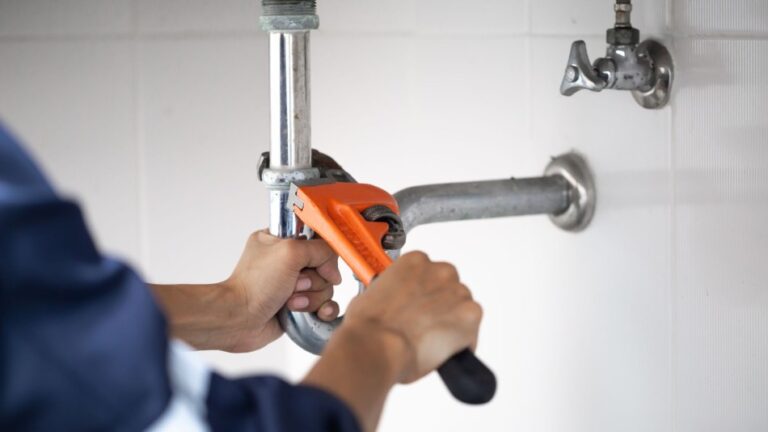
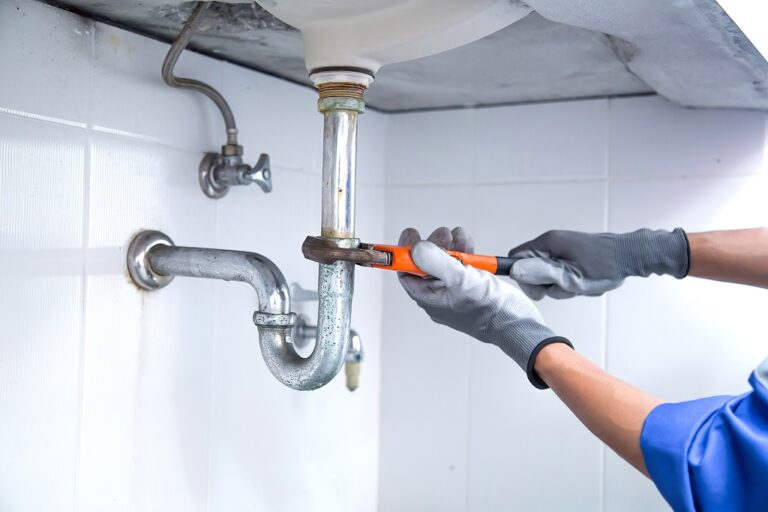
Grease and food particles are the most common causes of kitchen sink clogs. Start by checking the P-trap (the curved pipe under the sink). Remove it carefully using a wrench and inspect for debris. If the trap is clear, the clog may be further down the line.
Bathroom Sink or Shower
Hair, soap, and toothpaste can create thick blockages. Remove the drain stopper or cover, then use a small snake or hook to pull out visible debris. If the drain still flows slowly, the clog might be in the wall pipe.
Toilet
For toilets, start with a plunger. If that fails, a closet auger can reach deeper into the toilet trap and drain line. Avoid using chemical drain cleaners as they can damage porcelain and pipes.
Outdoor or Basement Drains
If water is backing up outside or in the basement, the blockage could be in the main sewer line. Check for standing water near the clean-out pipe (a capped pipe typically located in the yard or basement). Remove the cap carefully — if water or waste flows out, it’s a clear sign of a sewer blockage.
-
When to Call a Professional Plumber
While small blockages can often be handled with DIY tools, severe or recurring clogs require professional help. A licensed plumber has advanced tools such as:
- Hydro jetting machines to clear stubborn grease and debris using high-pressure water
- Pipe inspection cameras for detailed pipe diagnostics
- Pipe locators and sonar tools to trace buried or hidden pipes without excavation
If your blockage is caused by tree roots, broken pipes, or a collapsed sewer line, a professional inspection and repair are the only safe options.
-
Preventing Future Blockages
Finding and fixing a blockage is one thing — preventing it is another. Follow these simple habits to keep your plumbing system healthy:
- Never pour grease or oil down the drain.
- Use drain screens to catch hair and debris.
- Flush only human waste and toilet paper — nothing else.
- Schedule annual professional drain cleaning if your home is older or surrounded by trees.