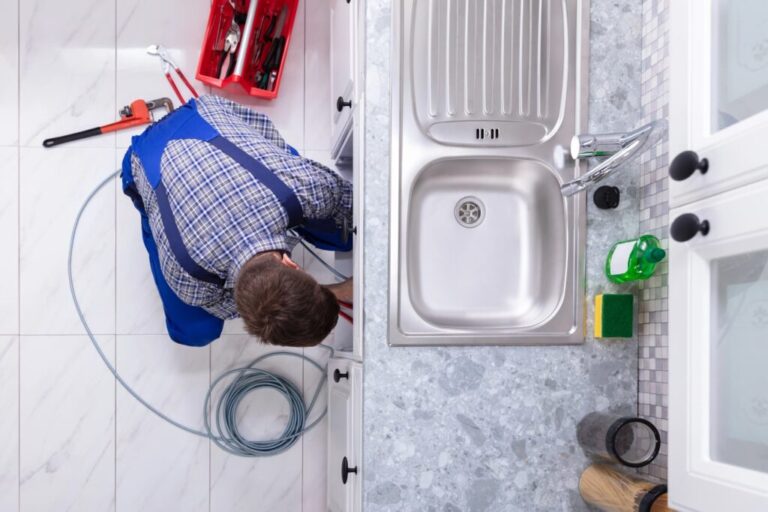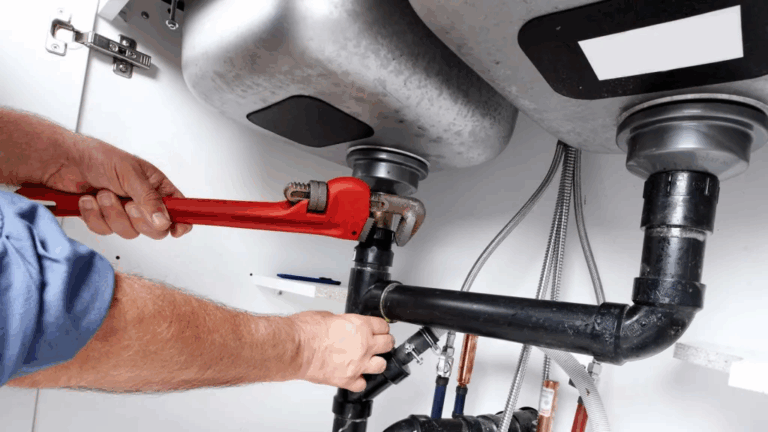

Picture this: you’re having a quiet, relaxing evening at home when, out of nowhere, the unsettling sound of a toilet overflowing breaks the calm. Suddenly, panic takes over, your pulse quickens, and you’re left scrambling. But why do plumbing emergencies spark such a strong emotional response?
This post delves into the psychology behind our reactions to plumbing crises, exploring why we often feel overwhelmed and sharing useful tips to stay composed when disaster strikes.
The Nesting Instinct
Our homes are more than just physical spaces—they symbolize comfort, safety, and stability. When a plumbing issue occurs, like a burst pipe or an overflowing toilet, it disrupts that sense of security.
Take an overflowing toilet, for example. It instantly transforms a calm evening into chaos as you race to grab towels and stop the water’s flow. This immediate disruption taps into our instinct to protect our living space, heightening feelings of fear and helplessness.
The Fear of Consequences
Plumbing incidents bring an unsettling unpredictability. They might cause superficial messes in the short term but can also lead to severe problems such as water damage, mold growth, and expensive repairs down the line. In fact, nearly 14% of all homeowner claims involving water damage stem from plumbing issues—an indicator of the potential financial strain.
This fear of cascading consequences intensifies our anxiety. A seemingly manageable issue can escalate, turning stress from mild inconvenience into full-blown crisis mode.
The Desire for Control
As humans, we crave control over our environment. Plumbing emergencies undermine that need immediately. When faced with an unresponsive faucet or a clogged drain, any semblance of control vanishes.
Studies have shown that 70% of people experience greater anxiety in situations where they feel powerless. This is particularly relevant during plumbing failures, as many individuals lack the knowledge or tools to solve such challenges on their own, leading to emotional overwhelm and irrational responses.
The Social Element
Surprisingly, social dynamics can also add emotional weight to plumbing issues. The notion of inviting a plumber into your home might feel awkward or uncomfortable for some people. Worries about judgment—whether about the house’s condition or your ability to explain the problem—can make what’s already a stressful situation even more tense.
This social pressure contributes to heightened feelings of embarrassment and vulnerability, draining even more mental energy during a crisis.
Acknowledging Emotional Reactions
It’s important to accept and validate the emotions that arise during plumbing emergencies. Anxiety and panic during such events are natural and often rooted in genuine concern for preserving your home and well-being.
Mindful practices can be particularly helpful in these high-stress moments. Try taking deep breaths or momentarily stepping away from the issue to gather your thoughts. A calm state of mind can make tackling the problem much more manageable.
Practical Tips for Handling Plumbing Emergencies
Though our instinctual reactions to plumbing problems are difficult to avoid entirely, there are actionable strategies to reduce stress and regain a sense of control:
Be Prepared
Planning ahead can greatly diminish panic when unexpected emergencies arise. Familiarize yourself with your home’s shut-off valves and how to operate them. Having a simple checklist outlining steps for common situations can offer direction during chaotic moments.
Learn Basic Plumbing Knowledge
Building even a basic understanding of your home’s plumbing system can boost your confidence and mitigate feelings of helplessness when something goes wrong.
Keep Emergency Contacts Ready
Maintain an easily accessible list of trusted local plumbers. Being able to quickly contact a professional during an emergency reduces the pressure of having to find assistance while stressed or overwhelmed.
Practice Stress Management
Incorporate mindfulness practices such as meditation, yoga, or breathing exercises into your routine. These techniques help you stay calm and centered, making it easier to handle emergencies without panicking.
Reach Out for Support
Don’t hesitate to call on friends or family members for help. Sharing your worry or enlisting someone’s aid can significantly lighten the emotional burden you’re carrying.