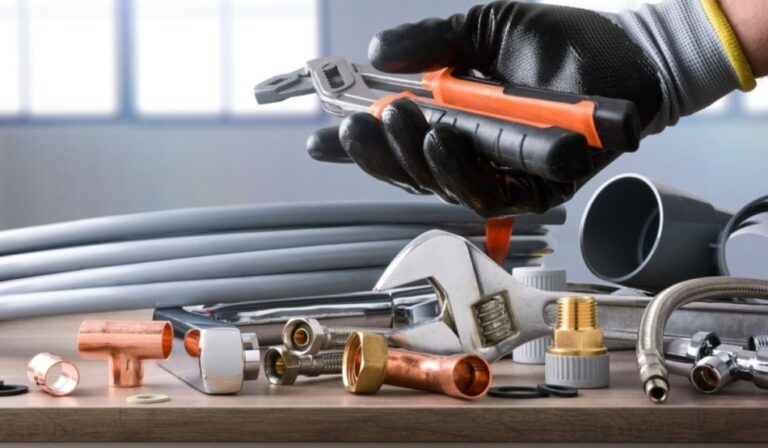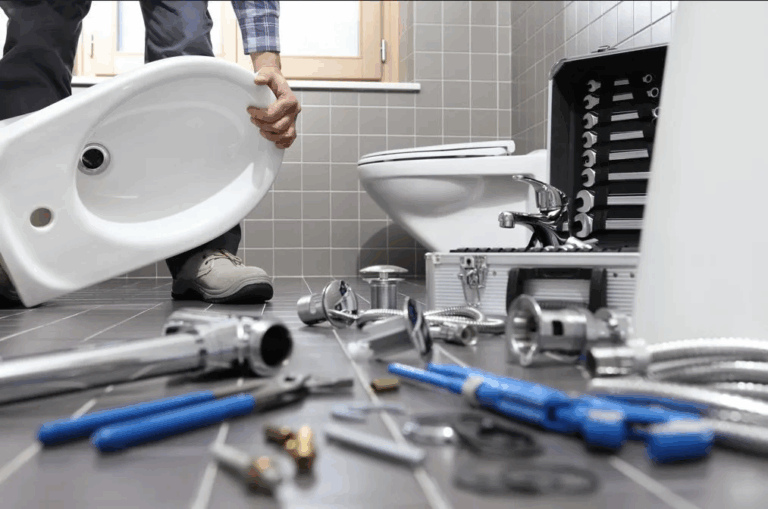
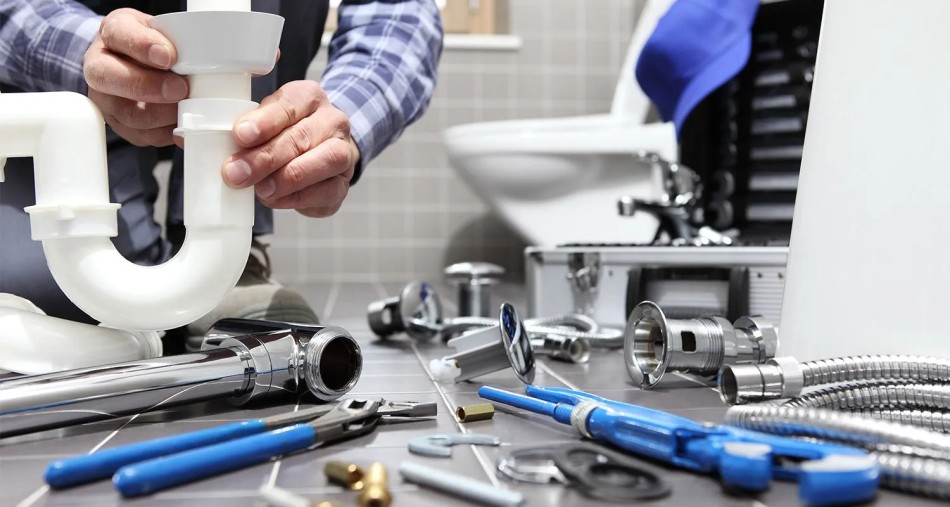
A plumber is a skilled professional responsible for installing and maintaining plumbing and drainage systems in residential and commercial spaces. They set up and maintain pipes for potable water, sewage, and other utilities, ensuring these systems meet building regulations and safety standards. A proficient plumber is knowledgeable about these regulations and ensures compliance in all tasks.
An effective plumber is also adept at identifying leaks in pipe systems using pressure pumps and other specialized tools. They often collaborate with architects, builders, and plumbing contractors to ensure seamless integration of plumbing systems within construction projects.
Key Factors to Consider When Choosing a Reliable Plumber
Accreditation and Certifications
When selecting a plumber, verifying their accreditation is essential. Checking their certifications can provide insight into their qualifications and the services they offer. While some plumbers may lack formal certification, years of practical experience can often compensate for this, reflecting in the quality of their work.
Fundamental Attributes to Look for:
-
Communication Skills
Whether for new construction or repairs in existing structures, a plumber should communicate effectively to explain issues or provide guidance on suitable products. Familiarity with the region’s local language is an added advantage as it ensures smoother interactions with clients.
-
Product Knowledge
A good plumber requires comprehensive knowledge of the tools, machines, and materials used in their work. They should understand the design, functionality, repair, maintenance, and benefits or limitations of the products they incorporate. This expertise assists clients in making informed decisions regarding their plumbing needs.
-
Installation Expertise According to Manufacturer Guidelines
Plumbing products come with specific guidelines from manufacturers that must be adhered to during installation. A plumber should thoroughly understand these processes to ensure proper setup and prevent potential issues. Following guidelines not only maintains the integrity of the products but also enhances safety and functionality.
-
Estimation Proficiency
Experienced plumbers can provide accurate cost estimations for their services, helping customers budget effectively. Staying updated on the latest products and techniques further enables them to give precise quotes for requested services, offering customers clarity and transparency.
-
Knowledge of Pressure Testing
Proper knowledge of site-based pressure testing is crucial for plumbers to ensure water pressure is calibrated correctly. High water pressure can damage appliances, while low pressure can cause inconvenience. A skilled plumber understands the importance of balancing water pressure for optimal functionality and customer comfort.
-
Awareness of Tool Availability
A knowledgeable plumber recognizes reputable brands for quality plumbing tools and products while being aware of their availability in local markets. This insight allows clients to acquire suitable materials conveniently, ensuring the durability and efficiency of their plumbing system.
-
Work Guarantee
Commitment to quality work and timely completion is integral to the plumbing profession. A reliable plumber takes responsibility for their work and often provides a guarantee—usually around 12 months—for services rendered. This assurance reflects professionalism, builds client trust, and highlights confidence in their expertise.