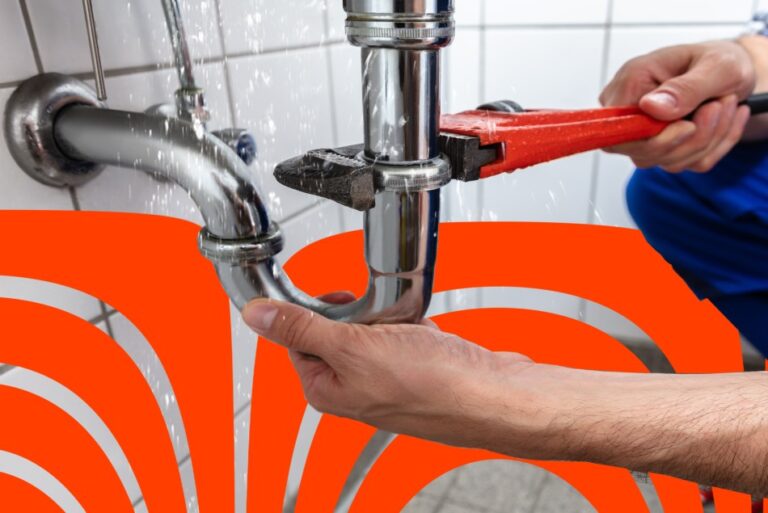
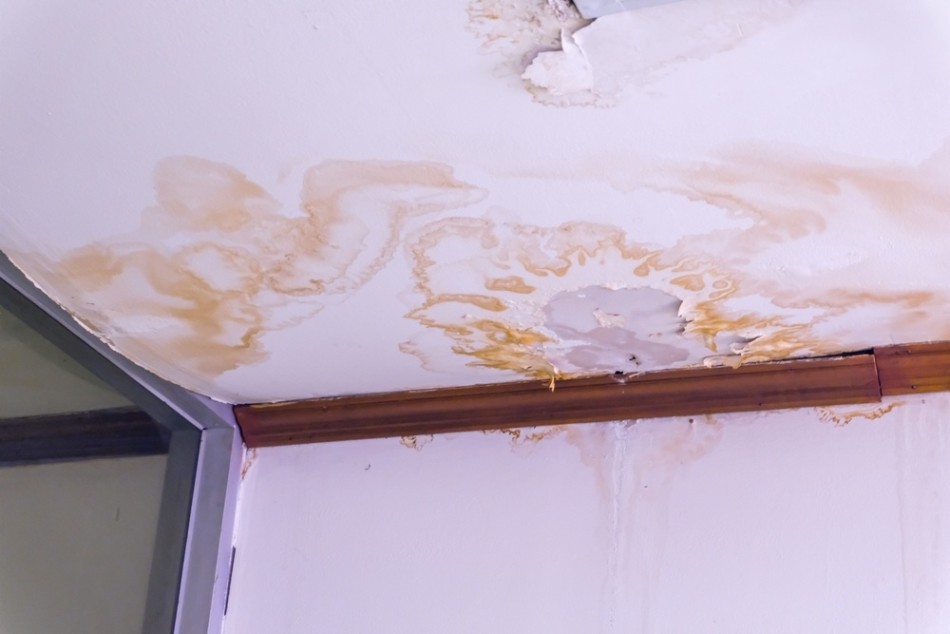
Water leaks are often silent culprits, causing damage long before revealing their presence. By the time you spot a damp patch on a wall, detect an odd musty smell, or notice a spike in your water bill, the situation may already be out of control. Leak detection is the proactive process of finding these problems early, whether visible or hidden, to prevent costly repairs and preserve your home or property.
What Is Leak Detection?
Leak detection encompasses techniques and tools to pinpoint water leaks in residential, commercial, and industrial plumbing systems. These leaks can manifest in exposed pipes, hidden fixtures, underground installations, or concealed spaces behind walls and ceilings.
The primary objective is straightforward: locate leaks quickly to mitigate water waste, avert structural damage, and reduce repair expenses. Modern leak detection methods leverage innovative technology, allowing plumbers to identify issues without unnecessary disruption to your property.
Common Indicators of a Leak
Detecting a leak often starts with recognizing subtle signs. Sometimes leaks are glaringly obvious, but more often they cunningly hide in hard-to-see places. Look for these common clues:
– A sudden, unexplained hike in your water bill
– Damp or discolored walls, ceilings, or floors
– Growth of mold or mildew
– Persistent musty odors
– Reduced water pressure
– Strange sounds of running water when taps are off
If these warning signals emerge, it’s crucial to investigate promptly—your plumbing might be trying to send an urgent message.
Methods of Leak Detection
Not all leaks are alike. Their location, size, and surrounding conditions determine the best approach for successful identification. Here are five commonly used methods:
-
Visual Inspection
Perhaps the simplest method in the toolkit, visual inspection involves examining exposed pipes, fixtures, and connections for signs of moisture, corrosion, or physical damage.
Best for:
– Superficial leaks
– Easily accessible faucets, sinks, and pipelines
Limitations:
While this is effective for obvious leaks, many issues remain hidden from the naked eye—rendering this technique insufficient for concealed problems.
-
Acoustic Leak Detection
This sophisticated approach uses special listening devices designed to detect the sounds generated when water escapes through pipes. Even small leaks create subtle vibrations that this equipment can amplify.
Best for:
– Leaks in underground piping
– Hidden systems within walls or floors
How it works:
Pressurized water makes distinct noises when leaking. Acoustic tools help isolate these sounds for an accurate diagnosis.
-
Thermal Imaging
Thermal cameras are employed to spot temperature changes in walls, floors, or ceilings caused by leaking water. These variations appear as noticeable “hot” or “cold” zones in thermal scans.
Best for:
– Leaks behind walls or under floors
– Slab leaks
Major benefit:
Thermal imaging allows plumbers to locate leaks without intrusive measures like breaking through surfaces unnecessarily.
-
Pressure Testing
This involves dividing the plumbing system into isolated sections and measuring pressure levels. A drop in pressure indicates the presence of a leak somewhere within that particular section.
Best for:
– Broad systemic leak checks
– New installations or post-renovation tests
Limitation:
While effective at confirming leaks, this method doesn’t always identify the precise location, requiring further investigation.
-
Tracer Gas Detection
By introducing a harmless gas—typically hydrogen-based—into the plumbing system, this technique identifies leaks through the gas’s escape path. Specialized sensors locate where the gas rises from its escape point.
Best for:
– Minuscule leaks that elude other methods
– Complex piping arrangements