Picture this: you walk into the bathroom, ready to flush, and nothing happens. Worse yet, the water starts to rise. An overflowing toilet is definitely not an enjoyable experience, and it’s something that happens more often than you’d like.
Here’s a breakdown of how to figure out what’s causing the issue and how to stop the overflow quickly. Remember, the team at onlineplumber is available 24/7 to help with all your plumbing emergencies!
Common Causes of Toilet Overflows
Understanding why toilets overflow is the first step in dealing with the issue. Here are some common culprits behind the flooding:
Blockages
A clogged or blocked drain is one of the leading causes of toilet overflows. This is why it’s crucial to only flush toilet paper and dispose of anything else—like feminine hygiene products—in the trash. Keep a plunger nearby for situations like this. With a little effort, you can usually clear the clog without needing to call for help!
Tank Issues
Inside your toilet tank, you’ll find something called the “overflow tube.” As its name suggests, it keeps your tank from overflowing. If the fill valve isn’t working properly, the toilet might continue to run, leading to unwanted water build-up. Worn-out fill valves, when paired with an overflow tube that’s also malfunctioning, can spell disaster for your bathroom.
How to Stop Your Toilet from Overflowing
You might be able to fix the issue yourself with a few simple steps. Keep reading to find out how you can resolve that overflowing toilet and potentially save some money before reaching out to a plumber.
Unclog the Toilet
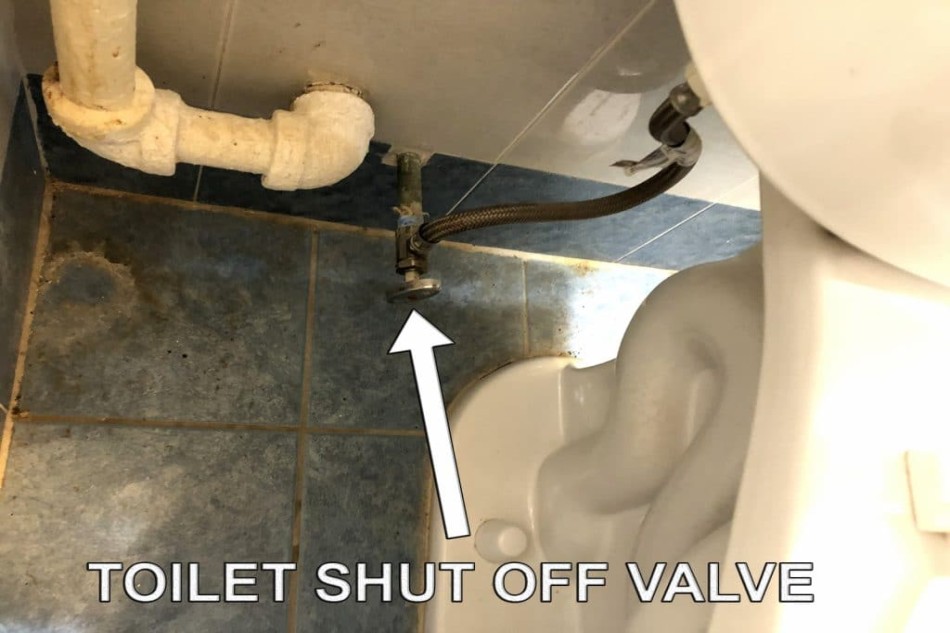
For basic clogs, your trusty plunger should be your first tool of choice. Just remember to turn off the water using the lever behind the tank before you start!
Align the Overflow Tube
Sometimes, the overflow tube can get out of whack. Check to see if it’s at the right height. If it’s not, you may need to trim it to ensure it’s positioned correctly. If you’re unsure about making this adjustment, it’s always best to reach out to a professional.
Check & Adjust the Fill Valve
First, turn off the water by adjusting the lever behind the toilet bowl and flush to empty the tank. Next, inspect the fill valve seal for any breaks. If it looks worn, it may need replacing.
Replace the Rubber Flapper
The rubber flapper found in your tank can wear down over time. If you notice water continuously flowing into the bowl, it’s likely time to replace it.
If these solutions don’t do the trick, don’t hesitate to contact the experts at onlineplumber for assistance!