Understanding Hard Water
In Calgary, hard water buildup can lead to various plumbing issues in local homes. The mineral-heavy nature of our water can also create challenges, especially when it comes to laundry and those with sensitive skin.
While many households already have water softeners in place to mitigate these issues, how can you tell if yours needs one? And if so, which type would be best suited for you?
The good news is that installing most water softening systems is both straightforward and budget-friendly. Utilizing the latest technology, these systems address a concern that has persisted for ages.
Here’s what we’ll explore:
– What is hard water?
– What causes hard water buildup?
– Why is having a water softener essential in Calgary?
– How can I tell if my water is hard?
– Can a water softener impact drinking water?
– Is it possible to install a water softener with a septic system?
– Six indicators that you may need a water softener
– Interested in installing a water softener?
What Causes Hard Water Buildup?
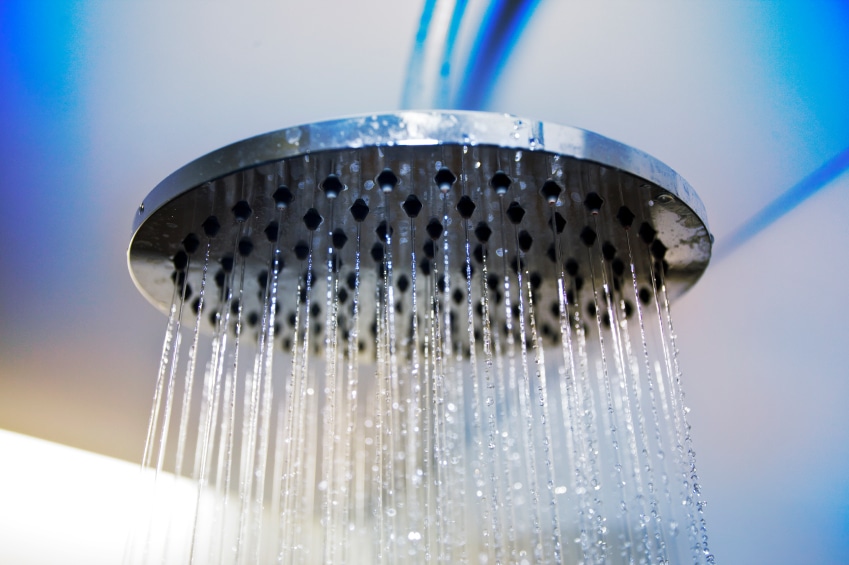
Many residents in Calgary are likely familiar with the white, chalky residue that accumulates in their shower heads and kettles. This buildup, known as hard water scale, is a common byproduct of our local water supply.
Hard water is characterized by a high concentration of minerals. In Calgary, most of our water comes from the Bow and Elbow Rivers, which is enriched with calcium and magnesium as it filters through limestone formations before being treated and distributed to our homes. Thus, encountering hard water isn’t unusual for Calgary locals.
The Importance of Water Softeners in Calgary
The City of Calgary classifies water hardness with the following scale:
– Soft water: Less than 75mg per liter of calcium carbonate
– Medium-hard water: 75-150mg per liter
– Hard water: 150-300mg per liter
– Very hard water: 300mg or more per liter
The reality for most Calgary homes is that they experience hard to very hard water, though this can fluctuate based on location and season (with softer water usually seen during the spring thaw).
The accumulated minerals can create issues in faucets, boilers, showers, dishwashers, washing machines, kettles, and other appliances dependent on water. Some homeowners may choose to wait until they’ve damaged a few appliances before taking action. However, installing a water softener can effectively dissolve these mineral deposits and avert future damage.
Although high levels of calcium and magnesium aren’t linked to harmful health effects, they can still lead to other household complications. For instance, they can cause fabrics to fade more quickly in the wash and inflate your energy bills because of increased demand on your appliances.
A prime example is water heaters, which function more efficiently with soft water. Hard water often forces them to operate at higher temperatures, consequently driving up energy costs.
Sure! Here’s a rewritten version of the text in a more engaging and conversational tone:
So, what’s the deal with water softeners? Let’s break it down:
– They make your household appliances work better.
– They help protect your plumbing from unnecessary issues.
– You’ll save on soap and detergent.
– Your favorite clothes will experience less wear and tear in the wash.
– And let’s not forget, your skin and hair will feel a lot softer!
Now, how can you tell if you have hard water? If you’re in Calgary, it’s safe to assume your water is hard unless you’ve got a softener installed.
Hard water is simply water that holds a high concentration of dissolved minerals, mainly calcium and magnesium. As this water flows through rock and soil, it picks up these minerals. The longer it sits in contact with these materials, the harder it gets. This is why, in some places like Calgary, the water tends to be harder than in others.
While hard water isn’t dangerous to your health, it can lead to some frustrating problems at home. Those pesky minerals can leave tough deposits on your faucets, dishes, and appliances, which can hurt their performance and lifespan. Over time, this buildup can clog pipes and damage essential items like water heaters, dishwashers, and coffee machines.
Want to find out if your water is hard? Here’s a quick test you can do at home:
- Grab a clear, clean, empty bottle and fill it one-third full with tap water.
- Add a few drops of pure liquid soap.
- Screw the cap on tightly and give it a good shake for a few seconds.
If you see just a few bubbles and the water looks cloudy, congrats—you’ve got hard water. If you see a lot of bubbles and the water underneath is clear, then you’re in the clear with soft water!
Now, what’s the fix? The best way to tackle hard water is by installing a water softener. These systems work by removing the culprits—calcium and magnesium—through a process known as ion exchange. Water flows through a tank filled with resin beads that are charged with sodium or potassium ions. As hard water passes through these beads, the magnesium and calcium get swapped out for sodium or potassium, leaving you with soft water that’s kinder to your home and appliances.
If you’re dealing with hard water issues in Calgary, consider getting a professional water treatment solution. It can make a big difference in the quality of your household water!