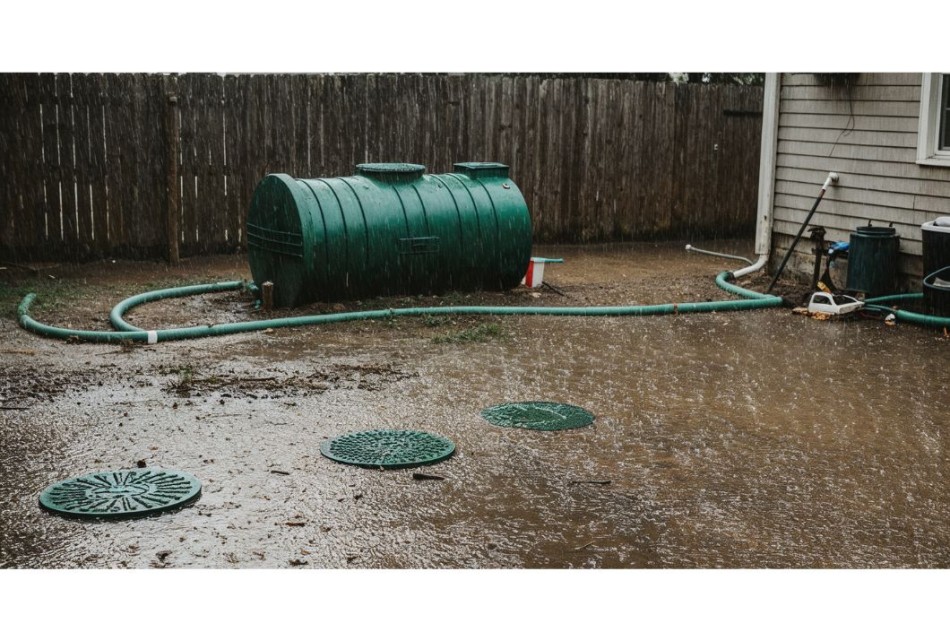
If your property has a septic tank, it might not always be top of mind. However, it’s crucial to keep it in good shape, particularly if you live in an area that often faces heavy rainfall. Even if your region typically stays dry, it’s wise to have a plan in place for when a storm hits – otherwise, you could find yourself facing significant challenges.
Intense rainfall can wreak havoc on septic systems, leading to problems like backups into your home and overwhelming your system. But don’t worry! Whether you’ve had issues in the past or just want to be proactive, there are several effective steps you can take to keep your septic tank functioning optimally during inclement weather.
Look for Signs of Poor Drainage
During a heavy downpour, it’s common to see lots of water around. However, mere standing water in your yard isn’t a definitive sign of drainage issues.
Look out for these indicators that may suggest flooding:
– Gurgling sounds in your toilet or drains
– Slow drainage from toilets, sinks, or other fixtures
– Water backing up into your floor drains
Prevent Flooding in Your Drainage Field
If you’ve dealt with a septic system failure during a storm, you know how frustrating it can be. Taking preventive measures before and during a storm can help ensure your system remains trouble-free.
Plant Grass Over the Tank
Before a storm hits, consider planting and maintaining healthy grass above your septic tank. Grass is excellent for protecting your system during rainy periods, as it absorbs much of the rainwater, helping to minimize flooding.
Direct Runoff Away from the Tank
When it rains, how your property is graded and where your gutters drain will dictate where the excess water accumulates. If your gutters empty into your drainage field or your land isn’t graded properly, you can end up with unwanted water pooling near your septic tank.
To address this, you might simply need to redirect your gutters. Alternatively, you may have to grade your land so that water flows naturally away from the tank – a task that might require professional assistance. While hiring a pro may come with some costs, the long-term benefits often far outweigh the initial investment.
Conserve Water During Storms
If you tend to experience issues during storms, the most vital step is to reduce your water usage. This means taking shorter showers, avoiding laundry or dishwashing, and only flushing toilets when absolutely necessary. Continuing normal water use can quickly turn a difficult situation into a much bigger problem.
Stay Clear of the Septic Tank Area
When a storm rolls in, it might be tempting to head out and inspect your drainage field. However, it’s crucial to keep your distance from the septic tank. The pressure from your weight, especially if vehicles are involved, can compact the soil. This compaction negatively affects water absorption in the vicinity, leading to potential flooding and further complications with your septic system—something you definitely want to avoid.
Prioritize Regular Maintenance and Pumping
Lastly, don’t underestimate the importance of proper care for your septic tank to ensure its smooth operation. This includes regular pumping and maintenance by qualified professionals. Keeping the sludge and waste levels low will create more space in the tank, making a significant difference when heavy rains occur.