Discovering water where it shouldn’t be, whether from a pipe, tap, or drain, can be concerning. When it comes to your hot water system, a leak doesn’t always spell disaster, but it definitely requires a closer look to determine the cause.
Pressure Release Valve
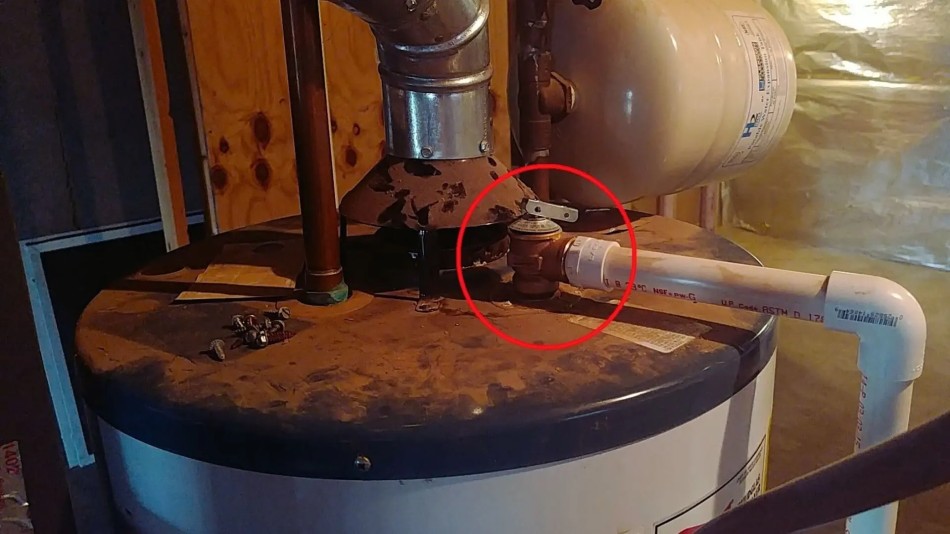
The temperature and pressure release valve (TPR valve) on storage hot water systems allows a small amount of water to escape when necessary. It’s normal to occasionally see some water released from this valve. However, a continuous stream might indicate a faulty valve that needs replacing or a blockage due to sediment buildup.
Safety Reminder: The water from a hot water system can be extremely hot, so exercise caution.
Regularly, you shouldn’t see any water dripping or flowing from your system aside from the TPR valve.
Steady Flow
If you have a significant gush of water, it’s time to act fast.
Shut off the water inlet valve (if available) or the mains water tap, especially if your system is indoors, to prevent potential water damage. Keep in mind that a storage hot water system will still have water in the tank even after shutting off the supply, depending on the leak’s location. Lay down some towels or place a bucket to catch the flow, being careful of the water’s temperature.
Immediately turn off the power to the hot water system:
– For electric heaters, switch off at the circuit breaker.
– For gas systems, turn off the gas valve near the unit.
– For solar and heat pump systems, refer to the manual for the shutdown procedure.
Caution: Water and electricity can be a dangerous combination. If you feel uncertain or unsafe, it’s best to leave it to a professional plumber.
Slow Leak
Even a minor leak should be addressed by your plumber, as it could point to more significant issues down the line. Schedule a hot water repair promptly upon noticing any drips beyond the pressure release valve.
Possible Causes of a Leak
-
Corroded Storage Tank
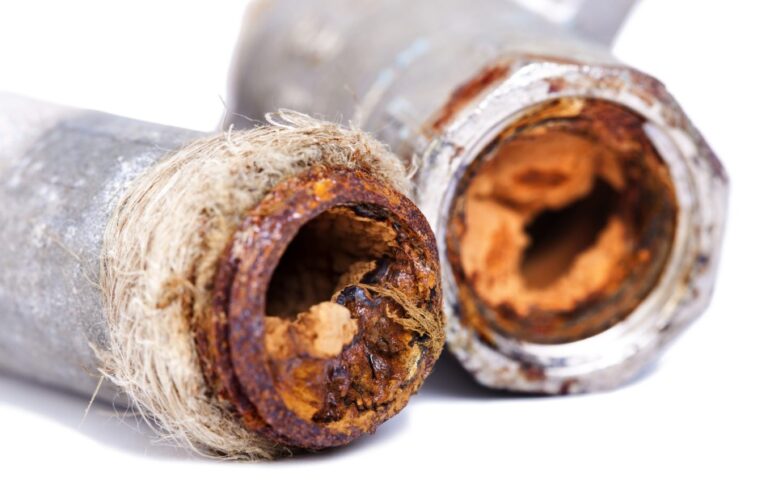
Over time, the storage tank may corrode, often due to sediment buildup inside. Tanks usually have a sacrificial anode designed to corrode instead of the tank, protecting it from damage.
For optimal performance, the anode needs to be checked regularly and replaced when necessary. If this task is overlooked, the tank can start to rust. Make sure your plumber inspects the tank and the anode every few years to avoid potential trouble.
Tip: If you notice rust-colored water, a brown tinge, or a foul smell, it might indicate that the hot water tank is starting to corrode. Have your plumber check for any changes in water quality.
Damage to Fixtures or Pipes
Over time, the pipes and fittings in your hot water system may become corroded due to interactions with other metals or exposure to the elements. The silver lining is that leaks from pipes or fittings are often fixable.
Salty Air
Living near the beach? The salty air can gradually lead to corrosion of any metal, including components of your hot water system. Regular maintenance helps you catch rust issues before they escalate.
Typically, if your storage tank is cracked or corroded, it might not be worth repairing or even replacing the old unit. In such cases, opting for a new system is usually a more cost-effective solution.
This scenario presents a perfect chance to invest in a more energy-efficient model, which can help lower your utility bills.
Hot water systems have advanced significantly in recent years, with most brands now offering 5+ star energy ratings or highly efficient options. Consider solar hot water or heat pump systems, as they harness free, renewable energy.
For tailored advice on the ideal hot water heater for your situation, don’t hesitate to consult your plumber.