Hurricane Helene caught many residents in South Carolina’s Upstate off guard. For some, it was their first encounter with such a large-scale weather disaster. The storm has since become the most devastating in our region since Hurricane Hugo back.
After a hurricane, the focus often falls on clearing debris and fallen trees, but it’s equally important to inspect your plumbing system for hidden issues. Even if your home structure escaped damage, plumbing problems can surface and require immediate attention. A post-hurricane inspection ensures potential issues are identified and addressed effectively.
This guide highlights the critical areas of your home’s plumbing systems to check after a hurricane, along with actionable advice to help you conduct a thorough assessment.
Before You Begin: Tackle your inspection systematically, focusing on one area t a time. Although it may seem tedious, this approach reduces the likelihood of missing potential issues.
Inspect Indoor Plumbing Fixtures
Your sinks, toilets, bathtubs, and showers are often the first indicators of plumbing damage following a storm. These fixtures can reveal leaks or other faults caused by the hurricane.
Steps to Inspect Your Indoor Plumbing Fixtures:
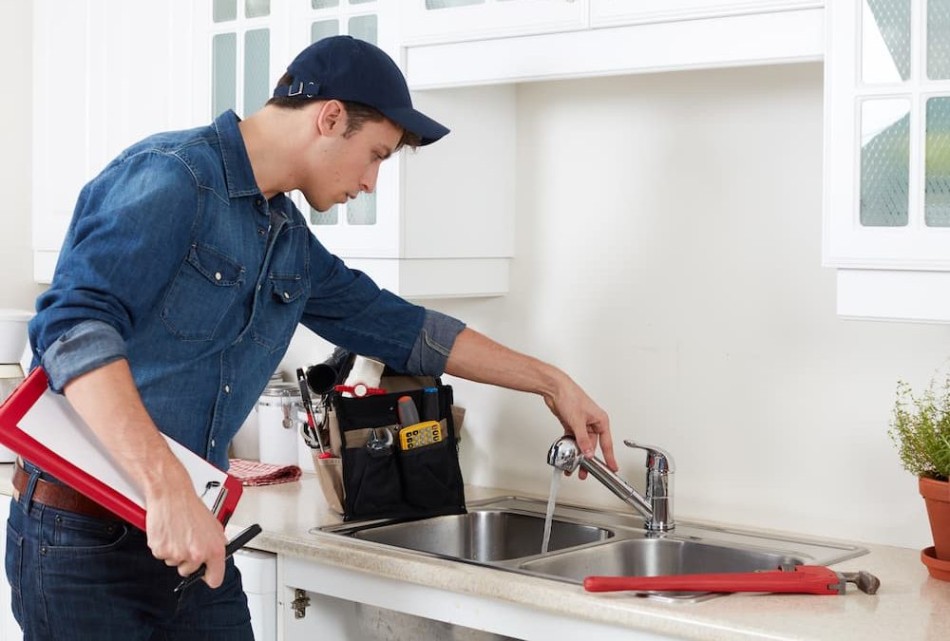
– Check for Leaks: Look for any drips or leaks from visible pipes, faucets, and under-sink areas. Focus on spaces around toilets, sinks, and near water heaters. Also, be alert for water stains, mold, and mildew, as these can hint at concealed leaks.
– Test Water Pressure and Flow: Turn on all faucets and showers to ensure water flows evenly. Low pressure or inconsistent flow may suggest pipe blockages or breaks.
– Look for Water Damage: Check walls, ceilings, and floors for anything unusual, like water stains or damp spots that could indicate burst pipes.
Evaluate Your Water Heater
One of the most common post-storm plumbing issues involves your water heater. Flooding or even minor leaks can lead to malfunctions, and relying on a damaged unit may be risky, potentially leading to more significant hazards such as explosions. A thorough inspection of your water heater is essential for safety.
How to Inspect Your Water Heater:
– Physical Inspection: Examine the unit for leaks, rust, or any visible signs of damage. Pay particular attention to water and gas connections as well as valves. If the heater was submerged in floodwater, have it inspected by a professional.
– Performance Testing: Test the water temperature. Issues like discoloration or irregular heating could signal internal damage or sediment buildup. Additionally, ensure the pressure relief valve operates correctly.
Examine Drainage and Sewer Systems
Hurricanes can overwhelm drainage and sewer systems, pushing storm debris such as branches, leaves, and shingles into underground pipes. This might result in clogs that could cause flooding inside your home if not addressed quickly.
Steps to Examine Your Drainage and Sewer Systems:
– Survey Your Yard: Walk around your property checking for physical signs of damage. Look out for indications such as ground shifts or sunken areas where sewer lines may have been compromised.
– Watch for Warning Signs: Run water through indoor fixtures like sinks and showers. Any slow drainage or lingering odors might point to blockages in the sewer line. Similarly, flushing toilets will reveal drainage issues.
– Inspect Outdoor Faucets and Irrigation Systems: Check hose bibs, faucets, and sprinkler systems for leaks or broken components. Replace any damaged irrigation pipes or sprinkler heads.
Check Your Crawl Space and Basement
Crawl spaces and basements are particularly vulnerable since they’re below ground level and prone to flooding. These areas often show the first signs of moisture buildup or plumbing-related damage.
Steps to Inspect Crawl Spaces and Basements:
– Look for Standing Water: Carefully enter these areas to pinpoint any pooling water that could suggest leaks or flooding.
– Inspect for Flooding or Dampness: Examine walls for water stains or lines, check insulation for wet spots, and be alert to musty odors that indicate hidden moisture problems.
– Search for Mold and Mildew: With a flashlight, scan dark corners and hard-to-reach spaces where mold may be growing.
Taking these steps immediately after a hurricane can save you from long-term damage and costly repairs later on. When in doubt or dealing with severe damage, always call a professional plumber to ensure your home’s safety.
Inspect walls, floors, and wooden structures for any discoloration, and stay mindful of musty odors that could signal issues.
Evaluate Your Water Quality
While listed last on our plumbing inspection checklist, assessing water quality is no less critical. After a hurricane, your water supply may become contaminated due to flooding or damaged pipelines. Ensuring its safety is essential for your well-being.
Steps to Assess Water Quality
Check the Appearance: Look closely at your water for cloudiness or unusual discoloration. While clear water doesn’t always mean it’s safe, visible changes often indicate potential contamination caused by the storm.
Perform a Smell Test: Let the tap run for a minute and check for any odd smells. Musty or chemical odors can point to possible water contamination.
Follow Official Warnings: Stay updated on any boil water advisories announced by local authorities. These alerts are vital for preventing waterborne illnesses in the wake of a hurricane.