It’s easy to overlook the condition of your plumbing system. However, daily use inevitably leads to wear and tear, making regular maintenance crucial. Recognizing problems early can prevent minor issues, like a small leak or blockage, from escalating into costly and extensive repairs.
Neglecting your plumbing doesn’t just risk burst pipes, flooding, or water contamination—it can also lead to financial loss. Small leaks or loose fittings can waste water over time, which lowers pressure and diminishes overall water quality.
Fortunately, many plumbing problems show noticeable warning signs if you know what to look for. Here are five common indicators and practical steps to address or prevent further damage to your home.
-
Leaks and Puddles
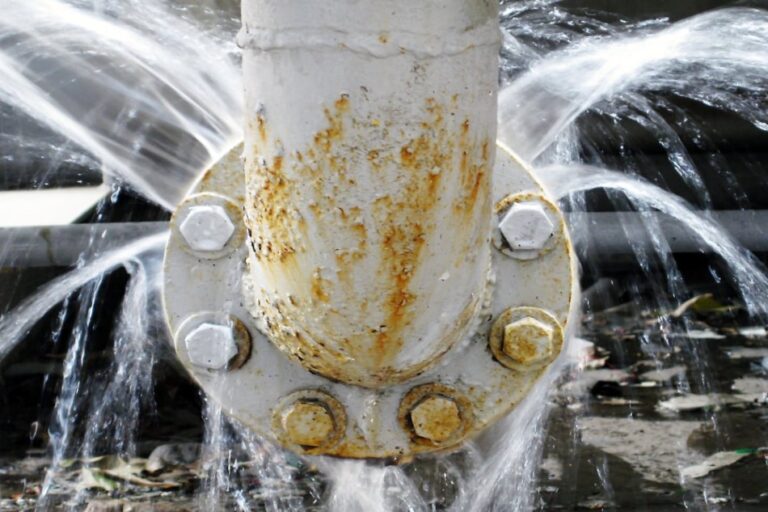
One of the clearest signs of plumbing trouble is water accumulation or dampness in unexpected places around your home. If a space feels damp or you see mold, inspect concealed areas like cupboards, behind furniture, or crawl spaces for hidden leaks.
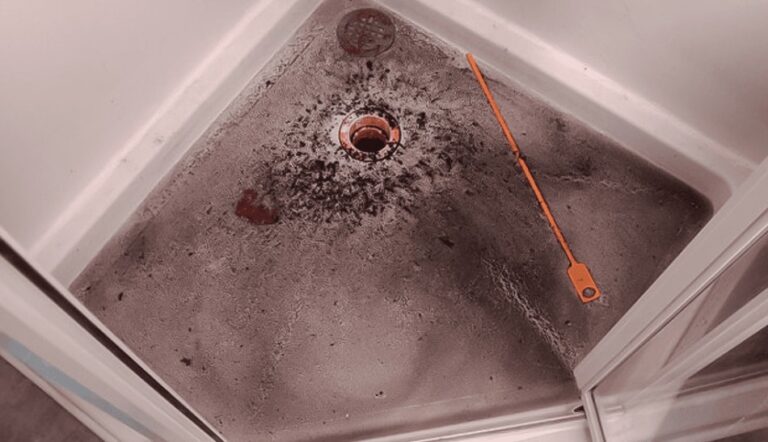
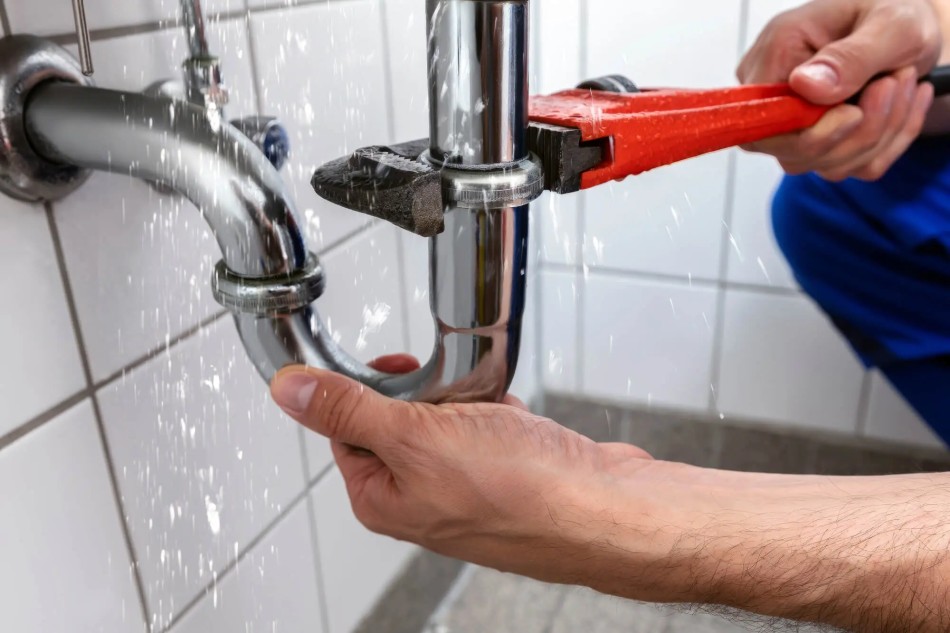
If you spot dripping water or find puddles, you likely have a pipe issue or a blockage. For leaks, turn off the supply to that particular pipe. For a blocked drain, minor blockages might be resolved with tools like plungers, but stubborn clogs caused by hair, grease, or food buildup may require a drain snake.
Chemical drain cleaners should be avoided due to their corrosive ingredients, which can damage pipes over time. Special caution is needed for sewage backups, as they pose serious health hazards. If you notice sewage-related issues, consult a professional immediately before attempting any cleanup on your own.
-
Poor Water Quality
A change in your water’s taste, smell, or appearance often points to contamination. If your water tastes metallic, smells off, or looks cloudy even after standing, the issue could stem from corroded pipes or external damage.
Corroding pipes may also affect water pressure. Rust-like sediment in the water often indicates aging plumbing that needs attention. In cases where external factors like shifting soil or growing tree roots damage underground pipes, debris may enter the system. If minor, a drain snake might clear the contamination, but more severe cases may require repairing or replacing broken sections of pipe.
-
Noisy Pipes
Unusual sounds coming from your plumbing—such as rattling, groaning, or banging—could signal air pockets trapped in the system. Trapped air increases internal pressure, which stresses joints and fittings and can make pipes crack or deform over time.
You can try running your taps continuously to release trapped air and reduce noise. If this doesn’t resolve the issue, call a professional because persistent noises could indicate deeper problems. Additionally, abrupt stops in water flow can cause vibrations that stress pipe joints and lead to leaks or flooding. Supporting noisy pipes with foam padding or lagging can help dampen vibrations while you wait for expert assistance.
-
Slow-Running Taps
Low water pressure can be as problematic as high pressure. It typically signals blockages, pump malfunctioning, or leaks within the system. Water companies are usually required to provide a minimum pressure standard based on local regulations; however, many homes still receive weaker pressure than they should.
A common sign of low pressure is reduced flow from taps or malfunctioning fixtures like showerheads that require certain pressure levels to operate efficiently. Identifying and clearing blockages early—or addressing related mechanical failures—can often restore proper flow before the problem worsens.
Addressing these issues promptly helps protect your property while avoiding skyrocketing repair costs. For any challenges beyond basic fixes, don’t hesitate to seek professional plumbing services to ensure your system runs efficiently all year round.
Get in touch with your supplier to confirm that the issue isn’t stemming from the main supply or caused by a temporary service reduction. If you discover signs of blocked or damaged pipes, consult with a plumber for advice on resolving the problem and restoring your supply to normal. Additionally, installing a pressure gauge can help you proactively monitor your system’s health and detect potential issues before they escalate.
5. Lack of Regular Maintenance
If it’s been a while since your system was last checked, there’s a good chance that some components may require attention. Regularly inspecting and maintaining your system—such as ensuring fittings are secure, pipes are insulated, and drains are clear—can significantly reduce the risk of major issues like breakdowns, flooding, or water supply disruptions.
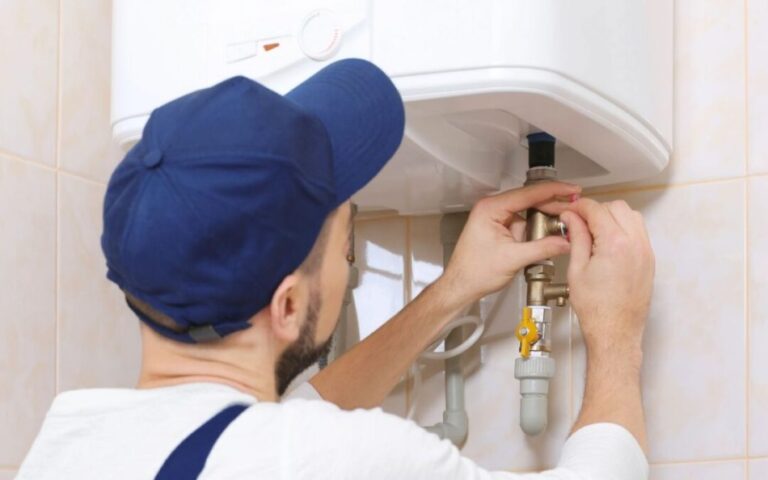
While many maintenance tasks can be performed independently, your local plumber can provide guidance and support when needed. Scheduling annual drain cleaning, such as snaking, can help keep your main and sewage lines clear, contributing to the long-term reliability of your water supply.
In the end, the key to maintaining an efficient plumbing system is addressing problems promptly. A well-maintained system is much less likely to experience sudden breakdowns or costly flooding damages and will save you money over time through improved efficiency and fewer emergency repairs. However, unforeseen events can still occur, so it’s crucial to always know the location of your mains stop valve for quick action if required.