The bathroom plays a vital role in personal care and daily routines while depending heavily on a well-functioning plumbing system. Efficient plumbing ensures clean water access, smooth waste removal, and overall functionality. Without it, a home’s comfort and hygiene can be severely compromised, highlighting the importance of maintaining bathroom plumbing.
Yet, bathroom plumbing often becomes a source of frustration for homeowners due to recurrent issues and the potential for extensive water damage. This guide serves as an introduction to the basics, enabling you to tackle common problems and save both time and money.
Key Components of Bathroom Plumbing
Here are the primary elements that ensure your bathroom operates seamlessly:
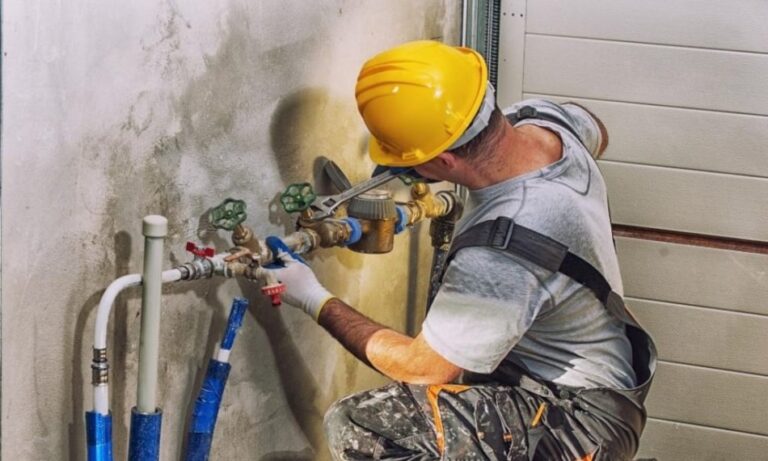
Pipes and fittings
Pipes deliver water to and from your appliances, while fittings connect these pipes and regulate water direction.
Faucets and fixtures
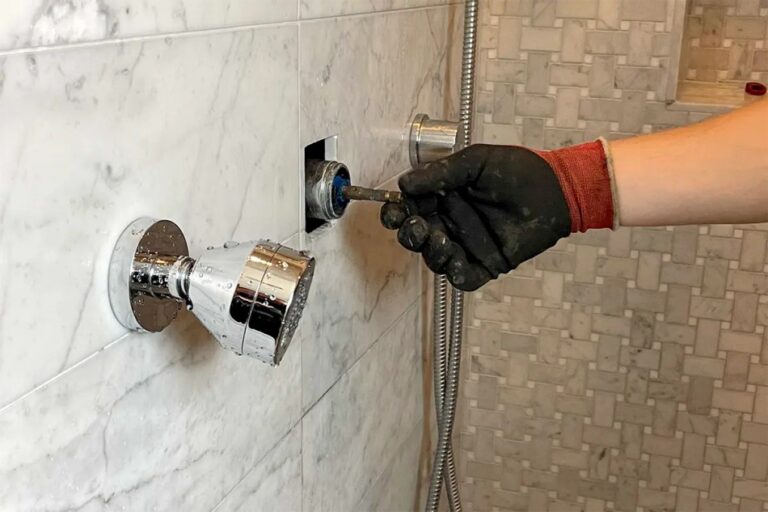
These visible elements include sinks, showers, bathtubs, and toilets. They manage water flow and are available in styles to suit your bathroom décor.
Traps
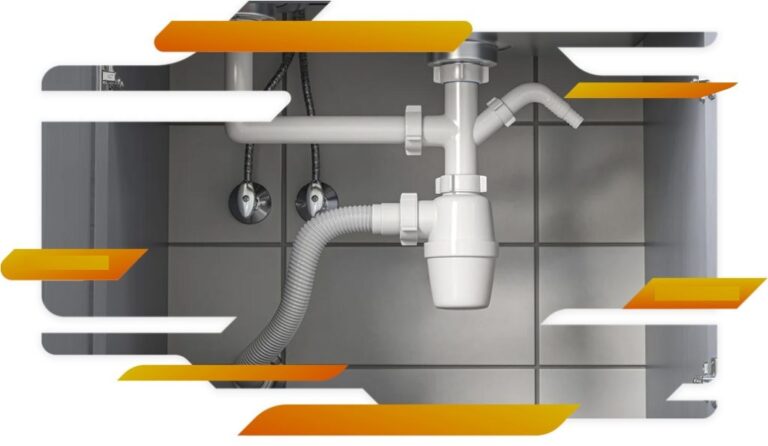
The curved pipes beneath sinks and bath areas prevent sewer gases from permeating your home and help catch debris, minimizing clogs.
Valves
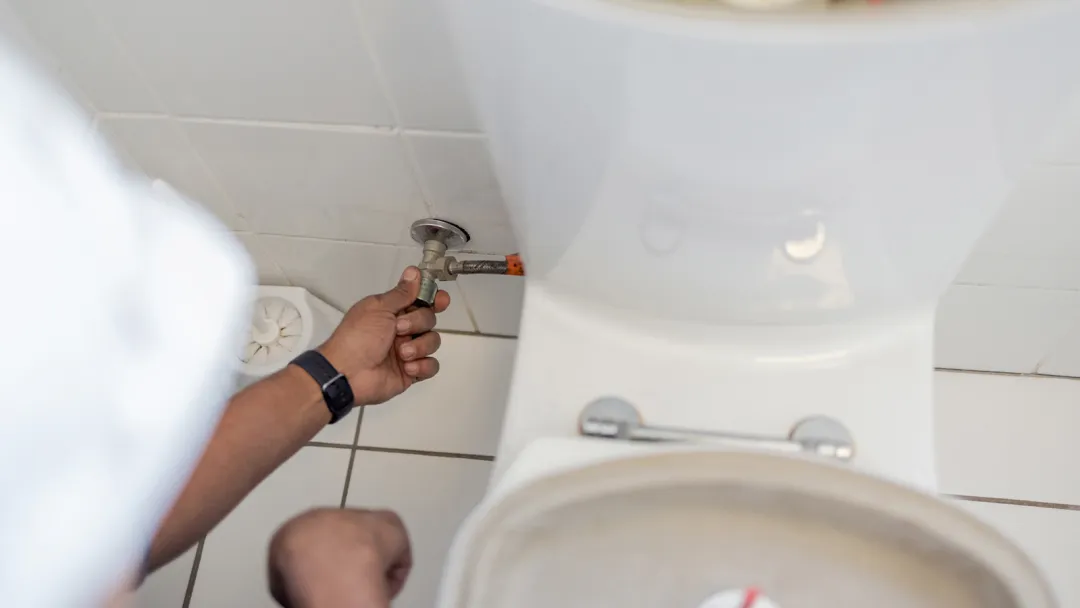
Shut-off valves control water flow to individual fixtures, making maintenance easier without disrupting the entire house’s water supply.
Water heater
This essential component supplies hot water to fixtures, contributing to both hygiene and comfort.
Addressing Common Bathroom Plumbing Problems
Below are some frequently encountered issues and tips for resolving them:
Clogged drains
Hair, soap residue, and debris often lead to blockages. Use a plunger, drain snake, or chemical cleaner for minor clogs. Regular cleaning can help prevent build-up over time.
Leaky faucets
Dripping taps usually indicate worn washers or seals. Replacing these parts will stop the leak and conserve water.
Running toilets
This issue often stems from a faulty flapper valve. Adjusting the chain or replacing the flapper can fix the problem, saving water in the process.
Low water pressure
Sediment accumulation in pipes or fixtures may reduce water pressure. Clean showerheads and aerators regularly. Persistent issues could point to leaks—consult a plumber if necessary.
The Importance of Bathroom Waterproofing
Proper waterproofing is essential for safeguarding your bathroom from potential damage. Here’s why it matters:
Leak prevention
High-quality waterproofing materials effectively seal cracks and gaps, stopping water from infiltrating your bathroom’s structure.
Enhanced safety
Waterproofing prevents mould, mildew, and subsequent health concerns. It also avoids damage to tiles or electrical systems, offering added safety for your home.