In the world of plumbing and construction, selecting the right materials is a key factor in ensuring successful outcomes. Among the various options available, Acrylonitrile Butadiene Styrene (ABS) and Polyvinyl Chloride (PVC) pipes stand out as two of the most popular choices. Each material comes with its own set of advantages and limitations, which can significantly affect your projects. Whether you’re a homeowner, contractor, or DIY enthusiast, understanding the distinctions between ABS and PVC can help you make decisions tailored to your specific needs.
What is ABS Pipe?
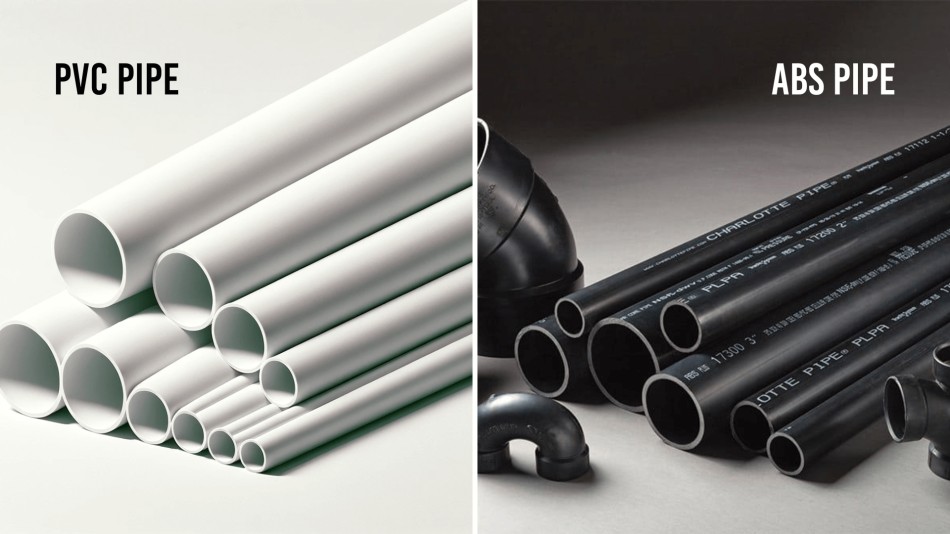
ABS pipe is a type of thermoplastic piping known for its durability and toughness. Made from a combination of acrylonitrile, butadiene, and styrene, this material is lightweight, highly impact-resistant, and easy to work with. It is typically black in appearance and joined using solvent cement.
ABS pipes are primarily used in drain, waste, and vent (DWV) systems. For instance, they are often installed in residential plumbing to handle waste from sinks or toilets. ABS pipes excel in high-temperature resistance compared to some other materials but are not recommended for prolonged exposure to extreme heat. Therefore, while suitable for certain applications, they are not ideal for hot water systems commonly found in kitchens or heating setups.
What is PVC Pipe?
Polyvinyl Chloride (PVC) pipe is another widely used thermoplastic, valued for its strength, flexibility, and resistance to chemicals. Usually white or grey in color, PVC piping systems are typically connected using solvent cement, although newer options may incorporate mechanical fittings for ease of assembly.
PVC pipes are highly versatile and can function across a range of uses, including potable water lines, waste drainage, and irrigation systems. Many municipalities trust PVC for underground water supply lines due to its ability to withstand high pressure, making it a reliable solution for delivering drinking water.
Key Differences Between ABS and PVC Pipes
-
Material Composition
While both are types of thermoplastics, the chemical makeup of ABS and PVC significantly differs. ABS is composed of acrylonitrile, butadiene, and styrene, whereas PVC consists of polymerized vinyl chloride. These variations influence their properties: ABS offers greater rigidity and impact resistance, while PVC is more flexible.
-
Flexibility and Durability
PVC’s flexibility allows it to adapt better to tight spaces or custom fittings during installation. For example, when plumbing requires maneuvering through confined areas, PVC offers an edge. ABS pipes, being more rigid, provide higher structural stability under pressure but can be prone to fractures in extreme cold conditions.
-
Temperature Resistance
Temperature tolerance is an important criterion when choosing between these materials. ABS pipes can withstand temperatures up to 180°F, making them suitable for some heat-related applications—but only for short periods. Conversely, PVC has a maximum temperature limit of 140°F, which makes it more suited for consistent use with warm, but not hot, water systems.
-
Noise Insulation
One notable advantage of ABS piping is its ability to suppress noise effectively. This makes it an excellent choice for drainage systems in bathrooms or kitchens where quieter operation is desirable. PVC lacks this level of sound-dampening capability; as a result, drainage using PVC systems may generate more audible noise.
-
Installation Features
Both materials come with unique installation considerations. ABS pipes bond rapidly with solvent cement, enabling faster assembly times. However, their black color can make it harder to visually confirm if joint connections are fully secured. On the other hand, PVC’s lighter coloration simplifies visual inspections of joints during installation. Additionally, while UV radiation can degrade ABS over time—making it unsuitable for outdoor applications—PVC is more tolerant of sunlight when treated with protective coatings or additives.