Discovering your toilet commode overflowing can be a stressful and messy ordeal, often catching you by surprise. This issue typically stems from a clogged drain, a malfunctioning float mechanism, or excessive water pressure. Understanding these causes is key to preventing future occurrences, and knowing how to address the problem will save you unnecessary headaches. Since toilets are an essential part of daily life, flushing should be a seamless task. This guide walks you through simple steps and solutions to either fix or avoid overflows. Basic actions like turning off the water supply, having the right tools handy, and inspecting components such as the fill valve and flushing system can make a significant difference. Proper maintenance ensures your toilet remains efficient and prevents frequent overflow incidents.
Common Causes of Toilet Commode Overflows
Toilet overflows typically arise from one of three issues: a clogged pipe, a damaged float mechanism, or excessive water entering the tank. When your toilet doesn’t flush as it should, chances are there’s a blockage in the drain.
In some cases, outdated toilet systems may contribute to recurring overflows. Understanding the underlying cause allows for more effective preventative measures.
How to Safely Shut Off the Water Supply
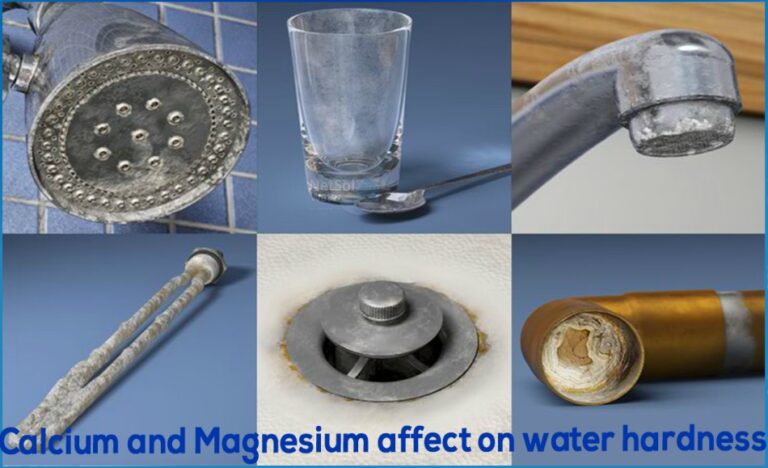
To minimize water damage during an overflow situation, start by turning off the toilet’s water supply. Locate the shut-off valve at the base of the toilet and turn it clockwise to stop water flow. If the valve is stiff due to mineral buildup, use a wrench to assist in turning it.
This step halts the tank from continuously filling with water, sparing you from further mess or potential property damage. Inspecting and maintaining the valve will also help you avoid issues in the future.
Essential Tools for Resolving Toilet Overflows
Restoring your toilet to proper function requires a few basic tools:
– Plunger: Creates suction to dislodge clogs near the drain.
– Toilet Auger: A flexible tool designed to reach and clear deeper blockages beyond the trapway.
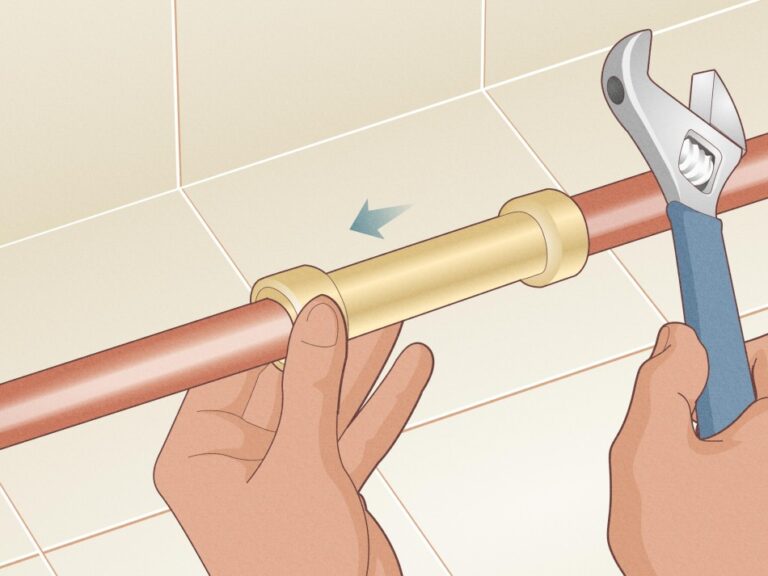
– Adjustable Wrench: Useful for loosening or tightening parts like the fill valve components.
– Bucket and Towels: Contain overflow water and keep the work area dry.
– Rubber Gloves: Protect your hands from debris and germs during the repair process.
Step-by-Step Solution for Toilet Overflows
If you’re faced with an overflowing toilet, follow these steps promptly to resolve the issue effectively:
- Turn off the water supply using the shut-off valve beneath the toilet.
- Use a plunger to clear obstructions near the drain.
- If plunging doesn’t work, use a toilet auger for deeper blockages.
- Adjust or repair the float mechanism to regulate water levels and prevent future overflows.
- Inspect the flapper and fill valve for faults; replace them if necessary.
While regular maintenance can often prevent these problems, persistent issues may require professional intervention to avoid costly repairs down the line.
Inspecting and Adjusting the Float and Fill Valve
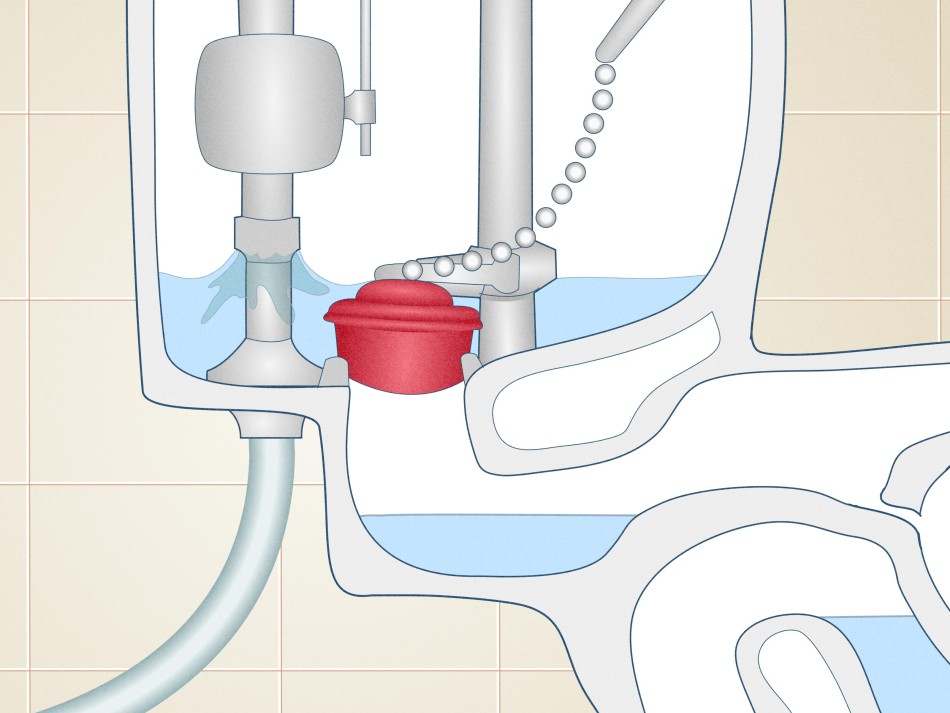
A common source of overflow is a malfunctioning float or fill valve. The float serves to control water levels in the tank, while the fill valve manages water refilling after each flush.
If the float is set too high, water might spill into the bowl unnecessarily, potentially causing flooding. Adjust the float to ensure proper water levels are maintained without exceeding capacity. For fill valves that no longer function properly, replacing them is often the best solution for long-term efficiency.
Addressing a Leaking Flapper
The flapper acts as a rubber seal that regulates water flow between the tank and bowl. A damaged or deteriorated flapper can result in continual water loss and risk of overflow. Inspect for signs of cracking or warping—you can resolve this issue quickly and inexpensively by replacing the flapper with a new one.
Ensuring Proper Tank Water Levels
Maintaining an appropriate water level within the tank is crucial for preventing overflows. If water consistently rises too high, use the adjustment screw on newer systems or carefully modify the ball float mechanism by bending its arm downward. This reduces excess water flowing into the bowl while keeping levels optimal for proper flushing performance.
When to Call a Professional Plumber
If DIY methods fail to resolve persistent leaks, severe blockages, or frequent overflows, it’s time to seek professional help. A plumber can accurately diagnose more complex issues like cracked pipes or damaged sewer lines. Addressing these early prevents small problems from escalating into larger, more expensive repairs later on. Remember, expert advice can ensure your toilet functions efficiently without recurring headaches!