Upgrading a shower can significantly enhance comfort, conserve water, and require minimal upkeep—provided the selection is made with a thorough understanding of design and functionality. Buyers evaluating bathroom shower fittings at a store need more than just visual appeal. The best choices incorporate optimal flow performance, durable finishes that withstand hard water, compatibility with existing plumbing pressure, and an installation plan that’s easy to maintain.
This guide explains how to work within real-world bathroom limitations and finalize purchase decisions with confidence, using Watertec as a reference for simplifying the process.
Common Issues with Shower Fittings and How to Avoid Them
Most failures are attributed to mismatched flow rates, improper pressure balancing, or finishes that degrade due to mineral buildup. Start by assessing both static and dynamic pressure at your site, and select showerheads and diverters suited to operate efficiently within that range. Next for finishes designed to resist limescale and corrosion, especially in areas with high mineral content such as coastal regions or homes relying on borewell water.
Additionally, choose fittings with serviceable parts like cartridges, seals, and check valves that don’t require tearing through tiles for repairs. Quality fittings not only tackle daily inconveniences but also ensure a consistent, quiet showering experience.
Selecting Shower Types Based on Space and Pressure Constraints
For smaller enclosures with average pressure, single-function or dual-function showerheads calibrated for gentle flow are best. Larger spaces or luxury setups can accommodate multi-function heads or overhead rain showers paired with handheld options, provided the plumbing maintains adequate water flow without affecting other fixtures.
Homes where multiple showers might run simultaneously benefit from efficient showerheads combined with balanced valves to avoid temperature fluctuations. Always prioritize the actual pressure at your site before considering preferred spray patterns.
Thermostatic vs. Single-Lever Mixers
Thermostatic mixers ensure precise temperature control, reducing the risk of scalding for children and seniors while offering consistent comfort, even when other faucets are in use. Conversely, single-lever mixers provide a budget-friendly solution and perform well where water pressure is steady.
For households experiencing frequent pressure fluctuations or operating multiple outlets simultaneously, thermostatic mixers deliver a premium experience with fewer complications. When shopping, inquire about the temperature stability of the mixer and the availability of spare parts like cartridges.
Durability, Limescale Resistance, and Cleaning
Hard water can tarnish finishes and obstruct nozzles. Opt for showerheads with flexible anti-clog nozzles and surfaces that are easy to clean using mild agents. Regular cleaning with non-corrosive products prevents damage to plating and seals. Weekly wiping coupled with a monthly descaling routine can maintain spray efficiency while avoiding water-wasting side splashes.
Durable finishes and easily replaceable components ensure the longevity of your shower fittings while keeping your bathroom aesthetic intact over time.
Smart Layout Choices to Minimize Hassle
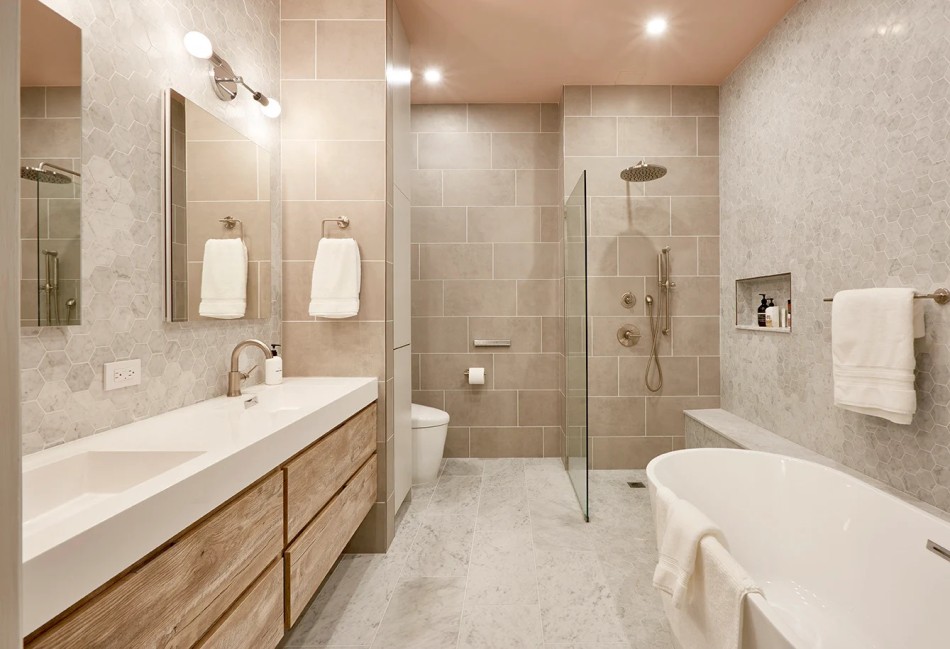
Plan the placement of your fittings before making any purchase. Overhead showers should be tall enough to accommodate the tallest user in the household, while handheld units should be mounted at an accessible height. Position mixers or diverters conveniently near the shower entrance so users can operate them without getting wet.
If you’re installing a glass partition, consider door swing and how spray patterns intersect with splash zones to prevent issues like cracked tiles, difficult reach, or water pooling that may expedite grout wear.
Checklist for Installation Readiness
– Measure water pressure and ensure appropriate pipe sizing at the shower outlet to avoid reduced performance.
– Choose diverter and valve sets with accessible service points and document exact measurements for installation before tiling begins.
– Align shower arm positions to fit enclosure geometry—this ensures even spray distribution without wasting heated water.
– Conduct a pressure test before sealing any areas, then flush all lines thoroughly before installing cartridges or aerators.
Why Include Watertec in Your Shortlist?
Watertec products are designed specifically for consistent performance in Indian conditions, offering coordinated systems that integrate mixers, diverters, and showerheads seamlessly. Their water-efficient designs, durable finishes that resist dirt and mineral buildup, and readily available spare parts make them a reliable choice for long-term use.