Water leaks rarely start with a dramatic burst of water. More often, they begin subtly, concealed behind walls, above ceilings, or underneath concrete slabs.
A faint stain on a ceiling, a soft spot on the floor, or a lingering musty odor could all hint at a more significant problem hiding out of sight. Ignoring these early signs allows the leaks to spread beyond just plumbing issues, eventually staining walls, encouraging mold growth, damaging flooring, and even compromising your home’s structure.
As experienced plumbers at Plumbing, we frequently encounter homeowners only after extensive damage has been done. A higher-than-usual water bill or a sudden drop in water pressure during a shower is often their first clue that something is amiss.
What seems like a minor inconvenience at first can quickly snowball into a costly repair project if left unaddressed. This is why identifying water leaks in your home early is essential—an ounce of prevention can save your property, finances, and peace of mind in the long run.
How to Detect Water Leaks Early
The signs of concealed water leaks can be subtle. You might notice peeling paint, strange smells, or an unexplained spike in your water bill. These issues can occur in any type of home, from new constructions to older buildings.
Catching leaks early not only protects your property but also helps avoid complicated disputes in shared housing situations where leaks can impact multiple units. Learning how to locate hidden water leaks empowers you to take action before minor issues escalate into major headaches.
Watch for Discoloration on Walls and Ceilings
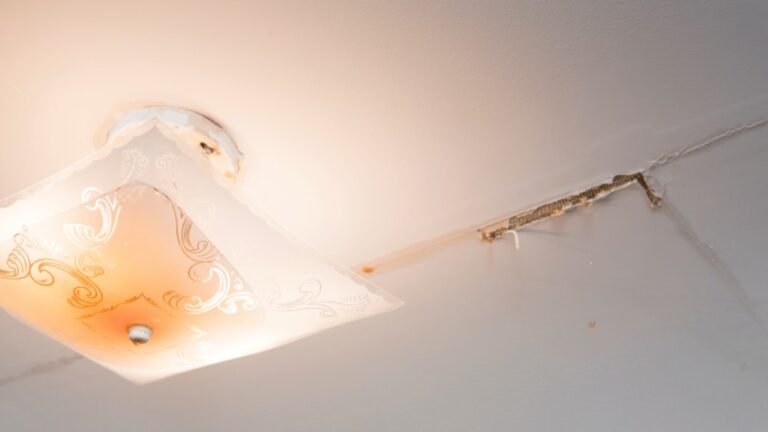
Moisture rarely goes unnoticed. One of the earliest indicators of a hidden leak is discoloration on walls or ceilings. These stains often form as yellow or brown patches that gradually spread over time. In drywall, you might see bubbling or peeling paint. In ceilings, pooling water can cause sagging areas or compromised plaster.
In multi-unit buildings, leaks can travel downward through floor slabs and affect neighbors below. By identifying these stains early, you have the chance to address leaks before they further weaken beams, damage insulation, or spread to surrounding rooms.
Check Floors and Slabs for Damage
Your floors can reveal a lot about potential water leaks. Wood flooring may warp or buckle under prolonged exposure to moisture; laminate flooring may start separating; and carpets can develop damp spots accompanied by persistent odors.
Even concrete slabs aren’t immune to damage from water leaks. Over time, concrete can absorb water, which may lead to cracks, bulges, or uneven surfaces—often indicative of a slab leak beneath your home. These types of leaks are particularly concerning as they can erode the soil foundation and cause structural settlement issues.
In multi-level properties, downward-seeping leaks can lead to costly repairs and disagreements over responsibilities between neighbors. By keeping an eye on floor changes, you stand a better chance of controlling damage early on.
Look Out for Mold Growth and Musty Odors
Mold growth is one of the most telling signs of an ongoing water problem. Hidden leaks create the damp conditions mold spores need to thrive.
You might notice black, green, or blue spots forming on walls, ceilings, or even behind furniture. A strong musty odor often accompanies mold growth, caused by microbial volatile organic compounds released in the process.
Mold not only accelerates property damage but also raises health concerns for individuals with allergies or respiratory sensitivities. While addressing mold is vital, it will only be a temporary fix unless the underlying leak is identified and repaired.
Monitor Changes in Your Water Bill
Your water bill can be an invaluable tool for detecting hidden leaks. Even small drips can waste up to 90 gallons a day—adding up to significant costs over time. An unexpected increase in your bill, despite no noticeable changes in usage patterns, often points to a hidden issue within your plumbing system.
To confirm this, check your water meter when no faucets or appliances are running. If the meter continues to move despite everything being off, it’s a strong indicator that water is escaping somewhere undetected. Many homeowners first realize there’s a problem by conducting this simple test.
Be Aware of Water Pressure Changes
Consistent water pressure signals a well-functioning plumbing system. When water escapes through unseen leaks before reaching fixtures like sinks or showerheads, the pressure can drop noticeably.
Indicators may include weaker water flow during showers or sinks taking longer than usual to fill up. Sudden pressure loss without visible signs of leakage often suggests a concealed problem within walls, under floors, or even underground. This not only wastes water but also stresses your plumbing system—potentially increasing wear and tear on pipes and joints while raising the likelihood of further damage.
Listen for Unusual Noises in Plumbing
Hidden leaks sometimes announce themselves through sound rather than sight. Pay attention to dripping inside walls, hissing sounds
Leaks can sometimes cause violent knocking noises as fluctuating pressure makes pipes vibrate or strike nearby walls. While these sounds might seem insignificant, they often serve as early warning signs. Paying close attention during quiet moments in your home can help you detect a leak before it results in visible damage.
Be Alert for Discolored or Contaminated Water
Cracks in pipes and worn protective linings expose the underlying metal to corrosion. This leads to rust particles entering your water supply, manifesting as discoloration. Depending on the minerals involved, you may notice brown, yellow, or reddish water coming from your faucets.
Aside from being unpleasant, discolored water can indicate significant internal pipe damage. Once corrosion begins, it tends to spread rapidly, turning a minor issue into widespread system vulnerabilities. Prompt action protects your plumbing and reduces the chances of more serious problems down the road.
Professional Solutions for Detecting Hidden Leaks
Although basic methods can help identify symptoms of a leak, pinpointing its exact location often requires professional tools. At Plumbing , we use advanced technology to detect leaks without causing unnecessary damage.
Thermal imaging cameras reveal temperature changes caused by moisture behind walls, while acoustic sensors pick up the subtle sounds of leaks within pressurized systems. Additionally, video inspection tools allow us to view the inside of plumbing lines directly. These techniques facilitate accurate detection, sparing homeowners from blindly cutting into walls. Once the leak is identified, targeted repairs become both efficient and cost-effective.
Effective Repairs and Preventive Measures
The approach to repairing a leak depends on its severity. Minor leaks can often be sealed using epoxy or reinforced with pipe sleeves, whereas larger ones might require removing and replacing the affected section of pipe.
For older homes with widespread corrosion, we may suggest replacing entire pipe sections to prevent ongoing problems. Beyond addressing the pipe itself, additional steps like drying out wet areas, mold remediation, and structural repairs may be necessary to restore the home’s safety and integrity.
Preventive measures are key to avoiding future leaks. Annual plumbing inspections help identify small issues before they escalate. Insulating pipes safeguards them against freezing during winter months. Installing smart leak detection systems offers immediate alerts when abnormal water flow is detected, ensuring quick response to potential problems.