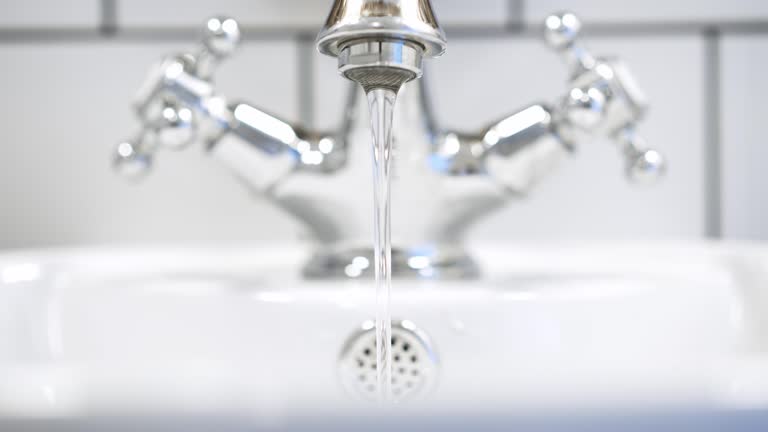
No household is entirely safe from experiencing a blocked sink. Given the frequent use it endures throughout the year, occasional maintenance becomes essential to keep it functioning properly.
To help you tackle this common issue, here are some practical tips and techniques you can try when your sink starts showing signs of blockage. By learning these effective methods, you may save yourself some money by avoiding the need for a professional plumber for minor issues.
Check out these top tips to get your sink back in working order!
-
Use a Plunger
The plunger is a classic household tool, but not everyone knows the best way to use it for unclogging a sink effectively. Follow these steps to make the most out of your plunger:
– Clear the Drain: First, remove any standing water in the sink, along with visible debris like food particles or hair. Put on rubber gloves and use a cup to carefully bail out the water until the basin is relatively empty. Cover the overflow hole with an old cloth or towel to improve suction during plunging.
– Clean the Plug: Ensure the plughole is free of debris by manually clearing out any reachable blockages. Run water briefly to check if this resolves the issue. If not, proceed to the next step.
– Use the Plunger: Place the plunger over the sinkhole and add about an inch of water to the sink for better suction. Press the plunger up and down firmly but not too aggressively. The suction created should help dislodge any small blockages. If this method doesn’t work, consider trying another approach outlined below or contact a professional plumber for assistance.
-
Try DIY Tools to Unclog Your Sink
For more stubborn blockages, several easy-to-use tools can help clear your sink effectively. Here are some common options:
– Drain Snake: A drain snake is a flexible tool designed to navigate through pipes and tackle tougher blockages. Simply rotate its handle back and forth while guiding it into the sinkhole. It’s affordable, easy to use, and available at most hardware stores or online retailers.
– Wire (Homemade Option): If you don’t have a drain snake handy, straighten a wire coat hanger and gently feed it into the drain. Applying light pressure can help dislodge blockages, making this an effective quick fix.
– DIY Drain Jet: This method isn’t guaranteed to work but is worth a try. Fill two empty bottles with hot water and place them over the sinkhole. Squeeze the bottles to forcefully push water down the drain, mimicking a weaker version of a professional drain jet. This might help flush out smaller obstructions in your pipes.
-
Use Drain Unblocker Chemicals
Although somewhat controversial, certain chemical solutions can effectively dissolve minor blockages without needing a plumber’s assistance. These products work by breaking down debris and clearing out build-up in your pipes.
Simply pour the recommended amount of unblocker chemical into the drain and follow the product instructions carefully. Once done, flush the pipes with hot water to ensure any residual solution is rinsed away.
However, keep in mind that chemicals should not be used frequently, as they can corrode pipes over time and are often harmful to the environment. Regular use might lead to costly plumbing repairs in the long run, so use sparingly.
-
Call a Professional Plumber
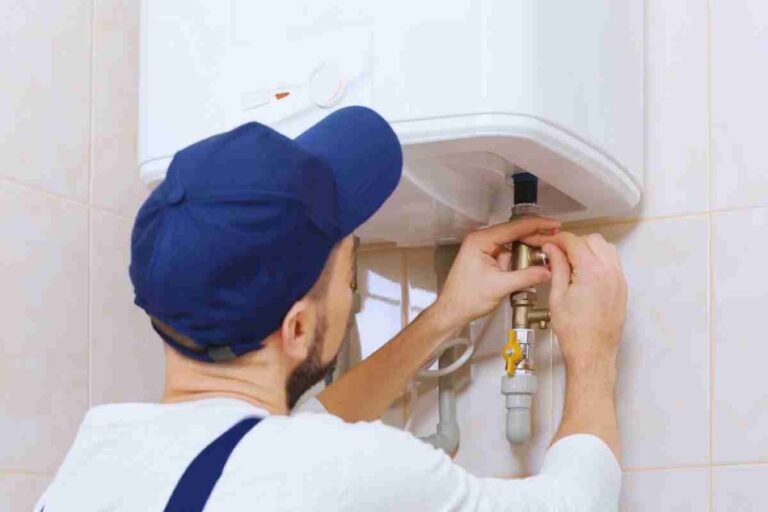
While DIY methods can handle minor blockages, there are times when professional help becomes necessary. Knowing when to call a plumber is crucial to avoid worsening the situation or damaging your plumbing system further.
Plumbers have access to advanced tools and diagnostic equipment, allowing them to assess the issue thoroughly and apply the most appropriate solution. Whether using high-powered drain jets or specialized rods, they are better equipped to deal with complex or deep-seated blockages that DIY tools cannot resolve.
By working with an experienced plumber, you can resolve serious clogs efficiently and prevent further damage to your plumbing system.
In conclusion, there are plenty of methods available for unclogging sinks, ranging from basic DIY fixes to professional solutions. By following these tips, you can be well-prepared to deal with minor blockages while knowing when it’s best to rely on expert assistance for more significant issues.